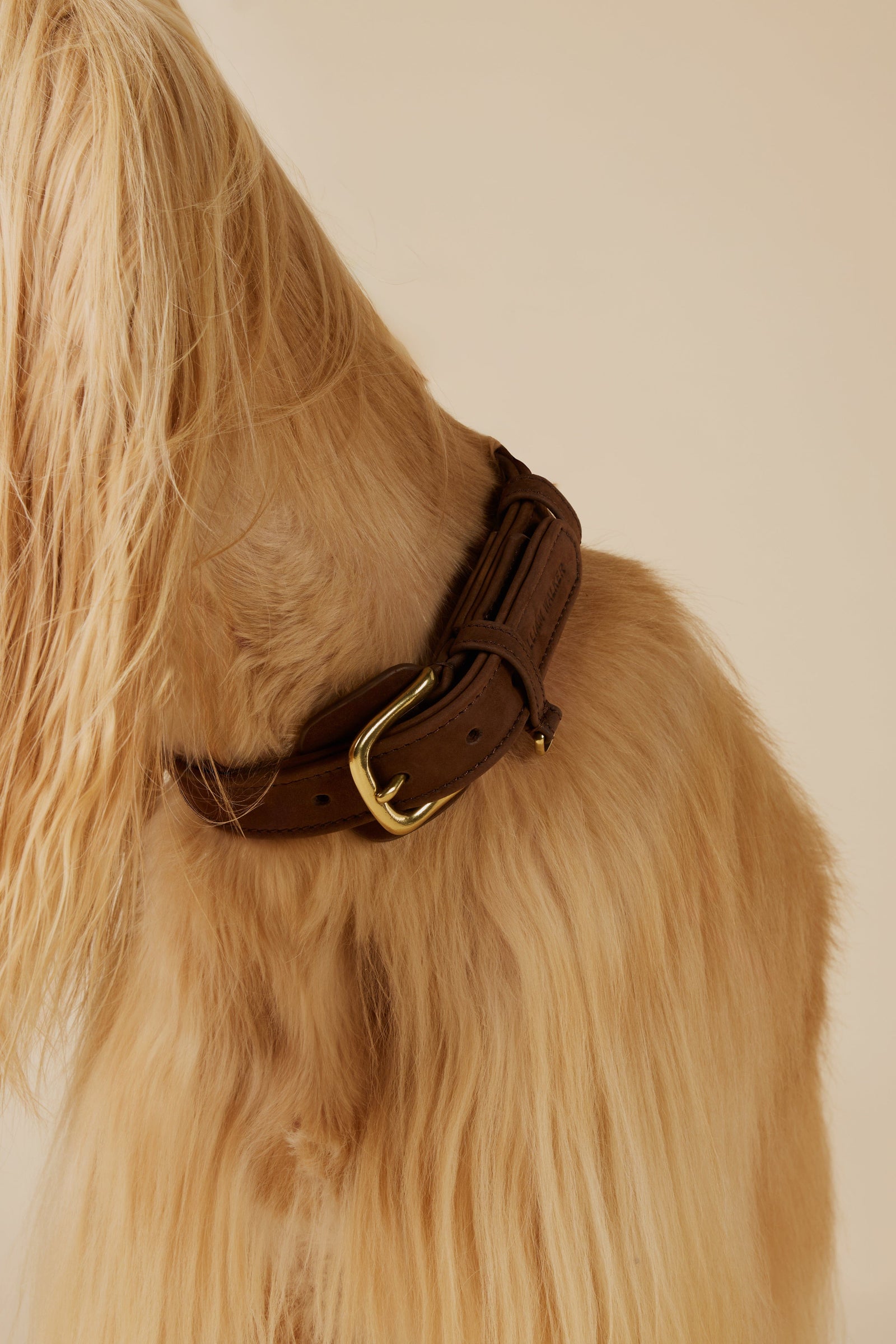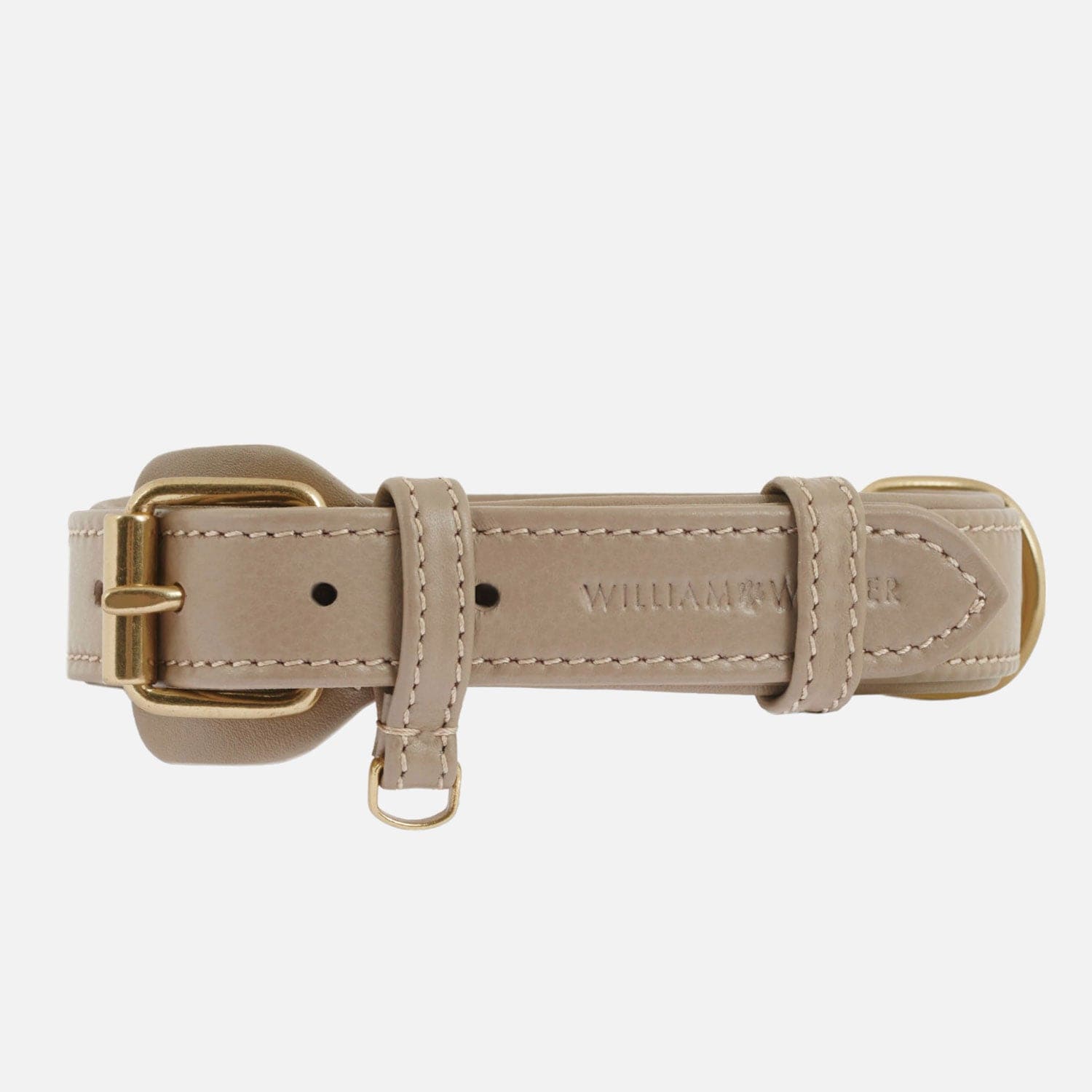
The right puppy starter kit consists of a safe sleeping area, a well-fitting harness with leash, two hygienic bowls, high-quality food, transport and safety solutions, as well as grooming and cleaning supplies. This allows you to start stress-free from day one, avoid typical purchasing mistakes, and establish clear routines. The decisive factors are fit, safety, and material quality, because puppies grow quickly and are particularly sensitive to friction, pressure, and unstable buckles.
For a practical puppy accessories list, a simple priority applies: first everything that immediately stabilises daily life (sleeping, eating, walks, safety), then toys and lifestyle extras. German animal shelters took in around 344,000 animals in 2023; structured preparation measurably reduces overwhelm and surrenders in the first year. Source: Deutscher Tierschutzbund - Zahlen & Fakten.
You don't need 50 products for your puppy essentials - 10-15 well-chosen basics are enough. High-quality materials are worthwhile because they last longer and sit more comfortably against the coat, while cheap plastics break or chafe more quickly. It also makes sense to plan for size and growth allowances from the start, especially for harnesses and collars. This saves money, stress, and unnecessary returns.
If you're asking: puppy - what do you really need? The most important things are: calm, clear routines, a fixed feeding spot, safe walks, and a puppy-proofed home. Dogs are a popular companion in Germany: in 2023, around 21% of households owned dogs (approximately 10.5 million). Source: Statista - Dogs in Germany (2023).
Puppy Essentials: The Categories That Matter
A complete puppy starter kit always covers the same areas of daily life: sleeping, eating, walking, transport, safety, grooming, play, and training. When each category is covered by at least one reliable product, daily life remains calm, and your puppy can learn routines more quickly. This ensures comfort, reduces chaos, and builds trust between you from the very beginning.
- Sleeping: Bed/blanket, optional crate for rest training
- Eating & Drinking: 2 bowls, food, treats, optional measuring cup
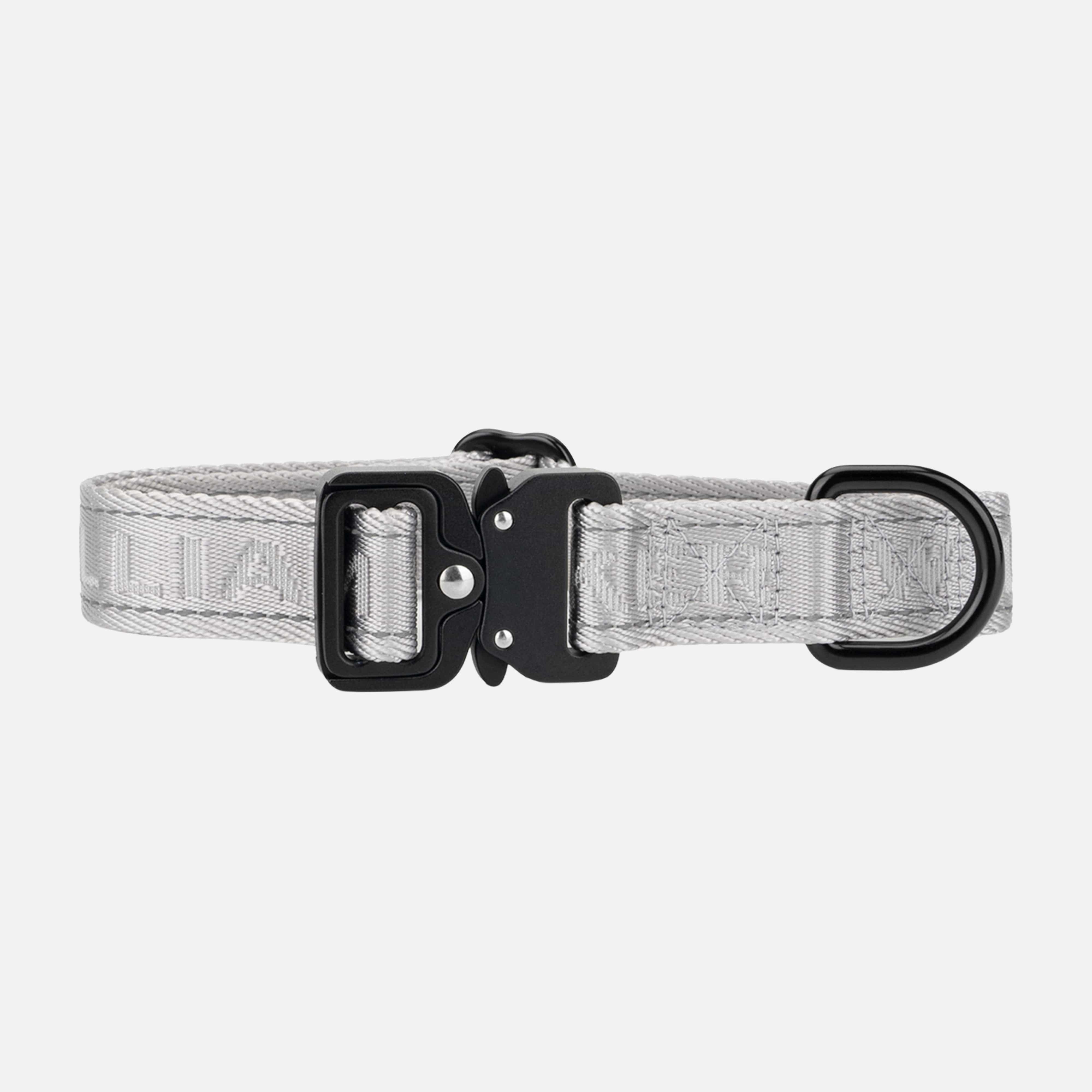
- Walks: Harness, leash, optional collar, poo bags
- Transport & Safety: Car restraint, carrier bag/crate
- Grooming: Brush, mild shampoo, tick remover, nail clippers (optional)
- Household: Enzyme cleaner, washable pads
- Play & Training: Chew toys, tug toy, clicker (optional), long line (later)
Sleeping Spot & Retreat: Rest Is the Premium Training Tool
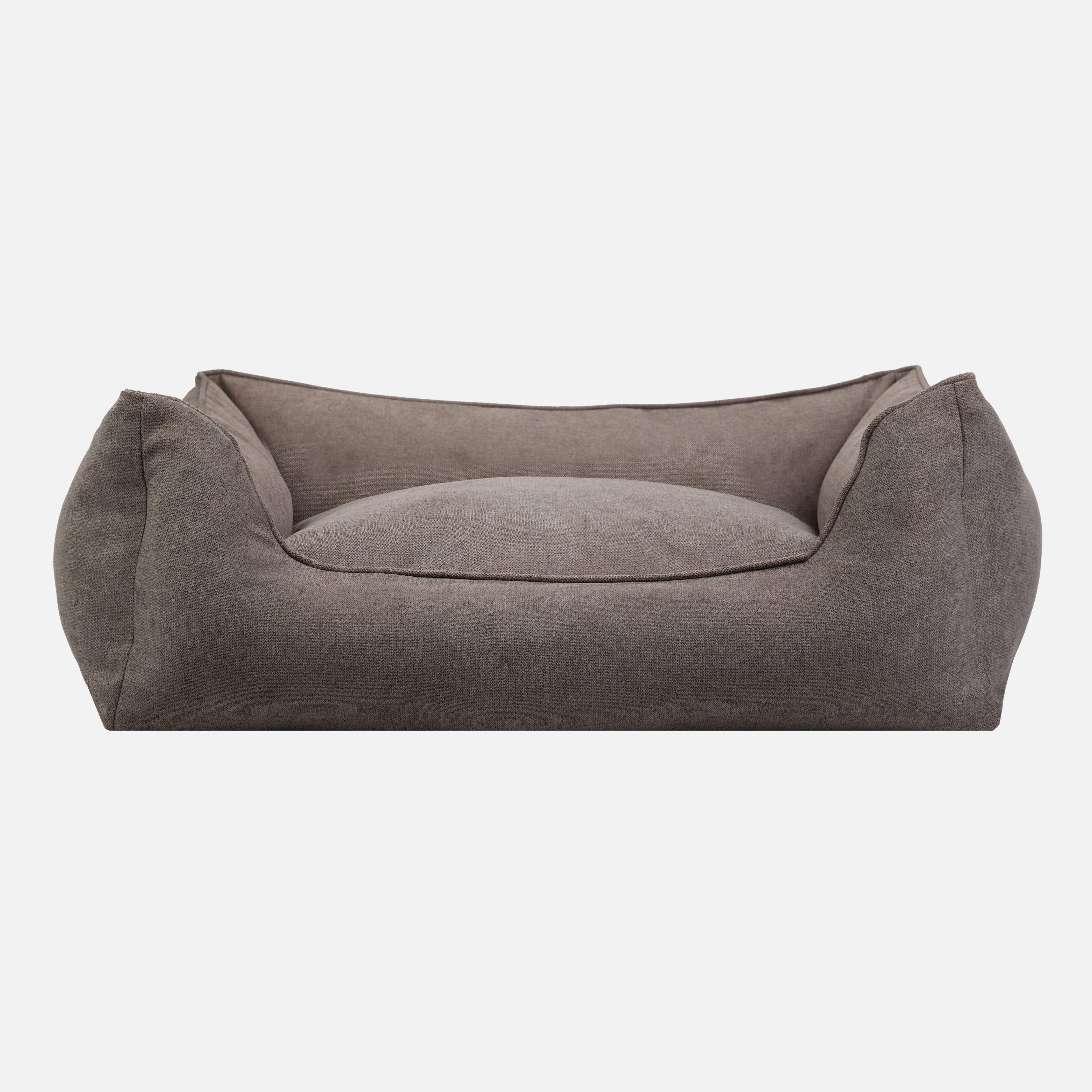
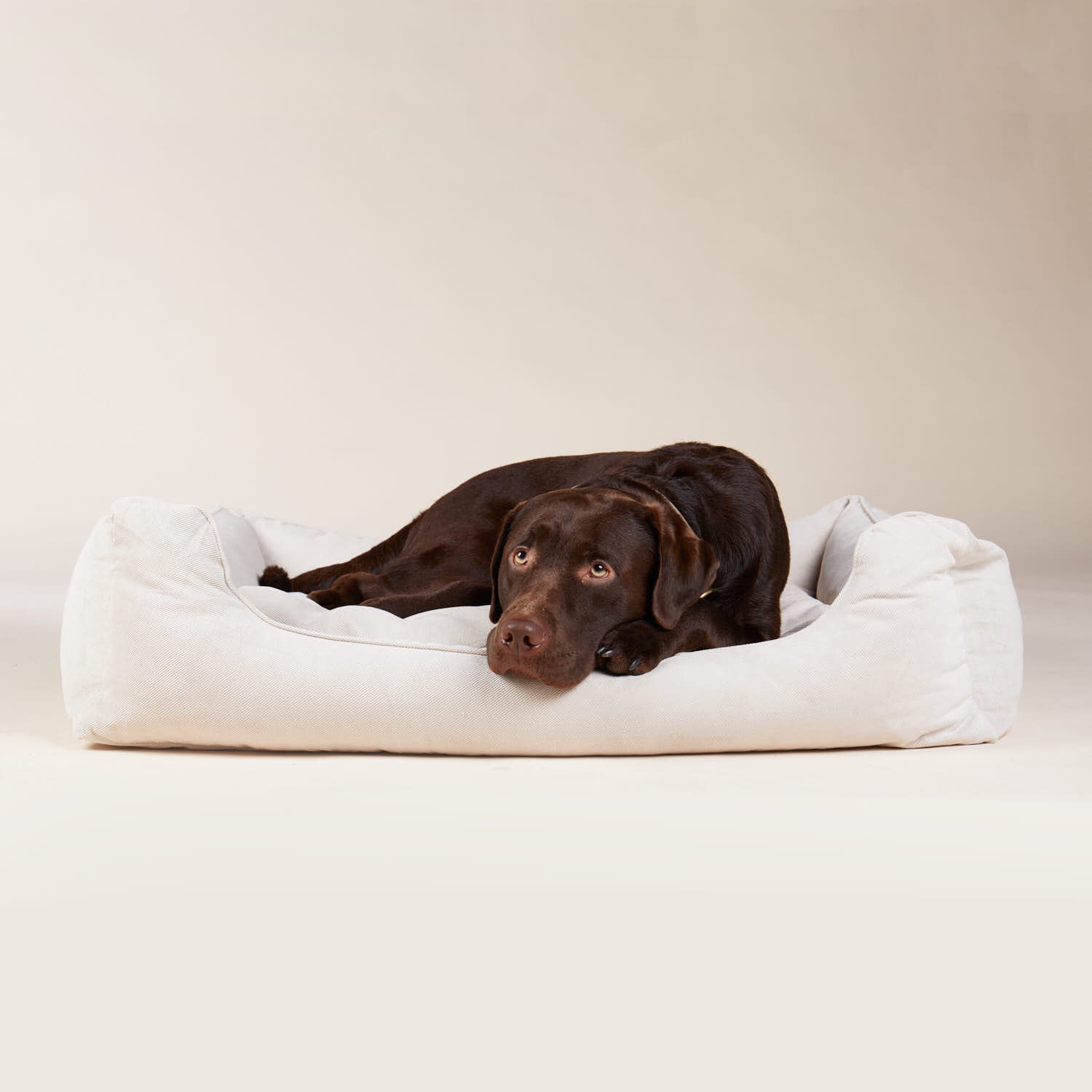
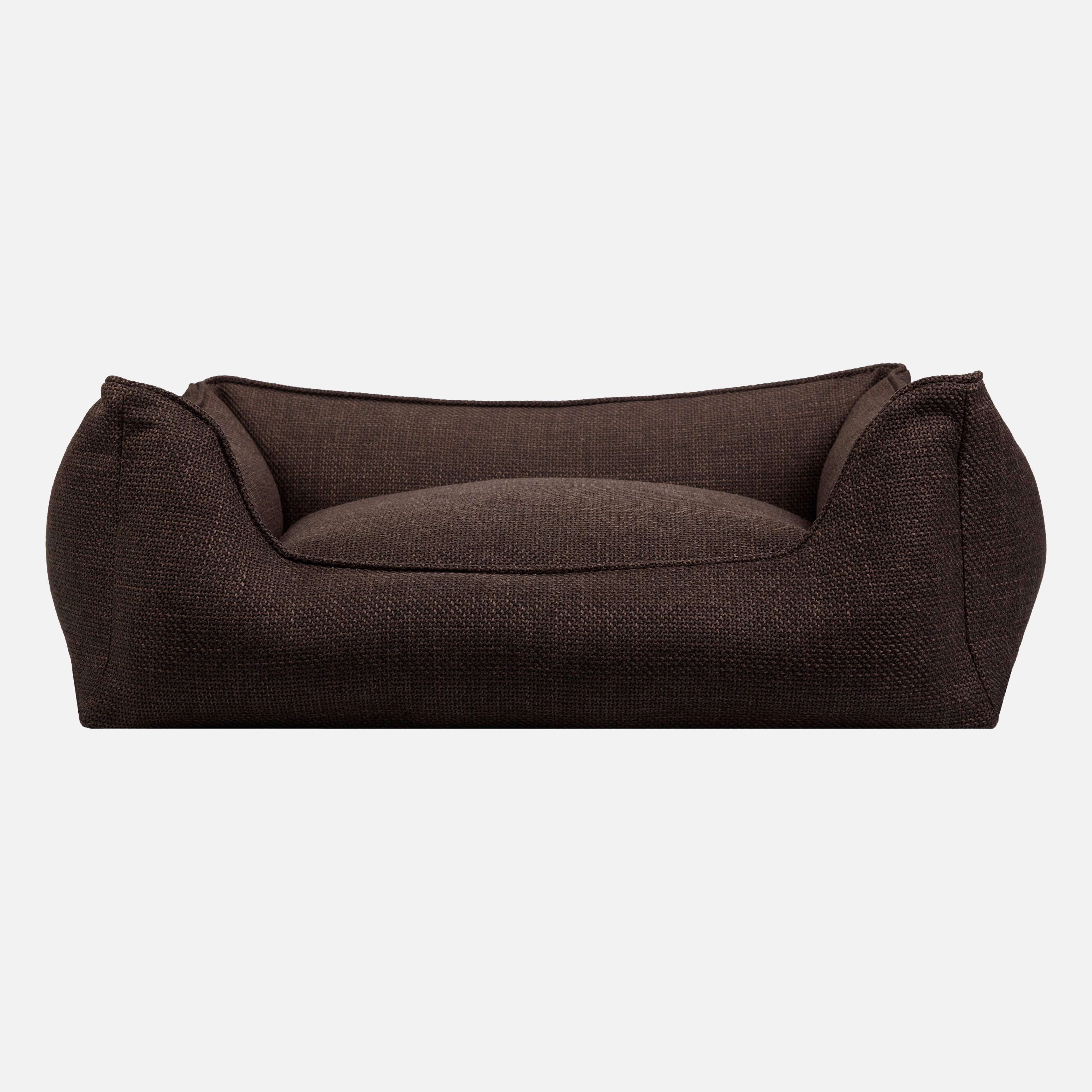
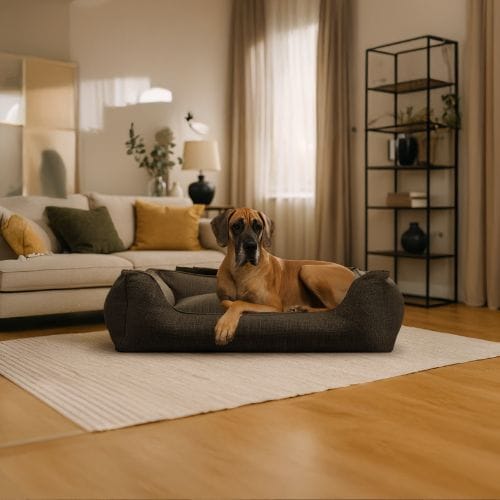
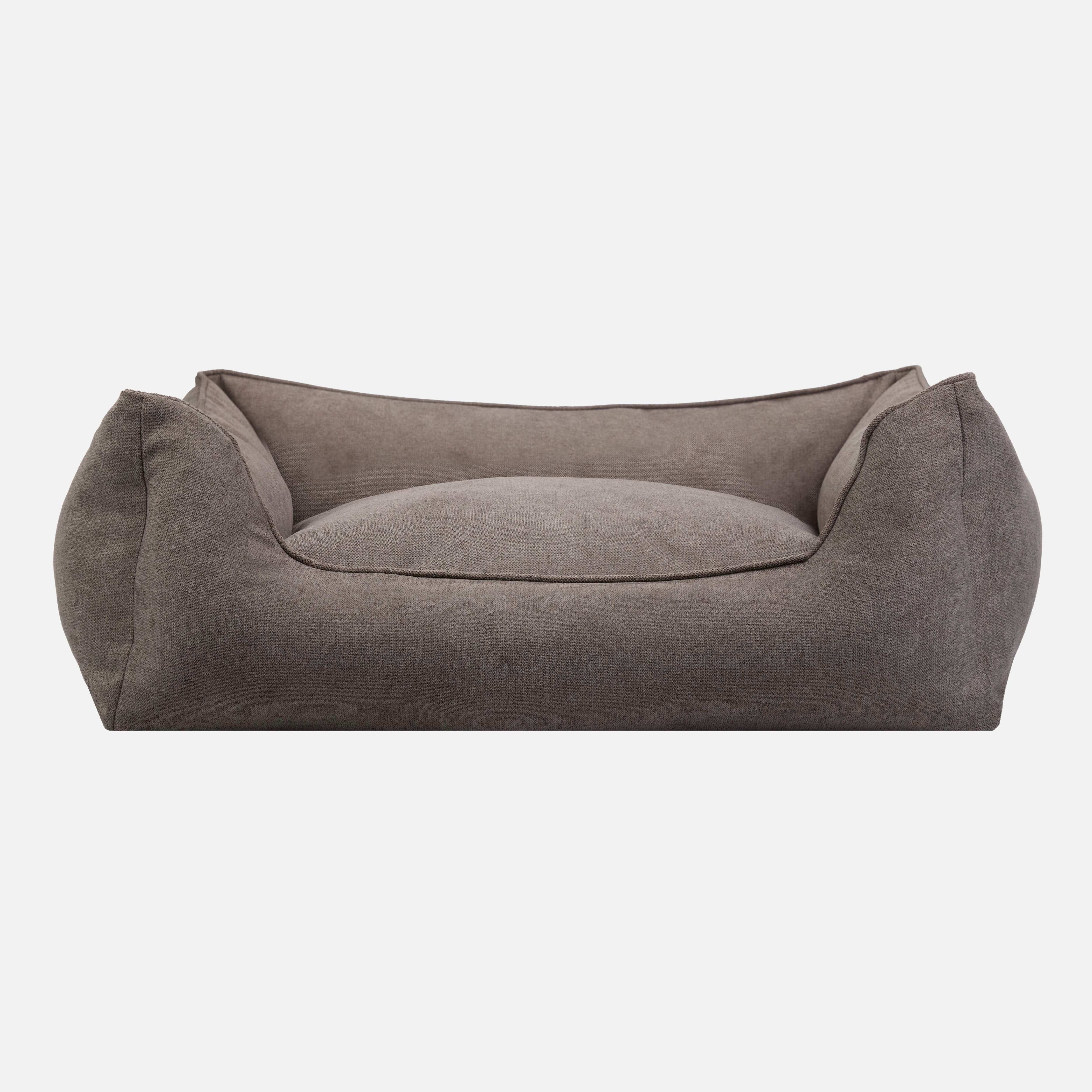
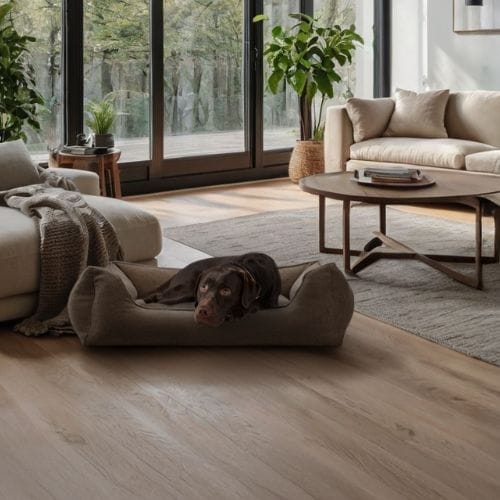
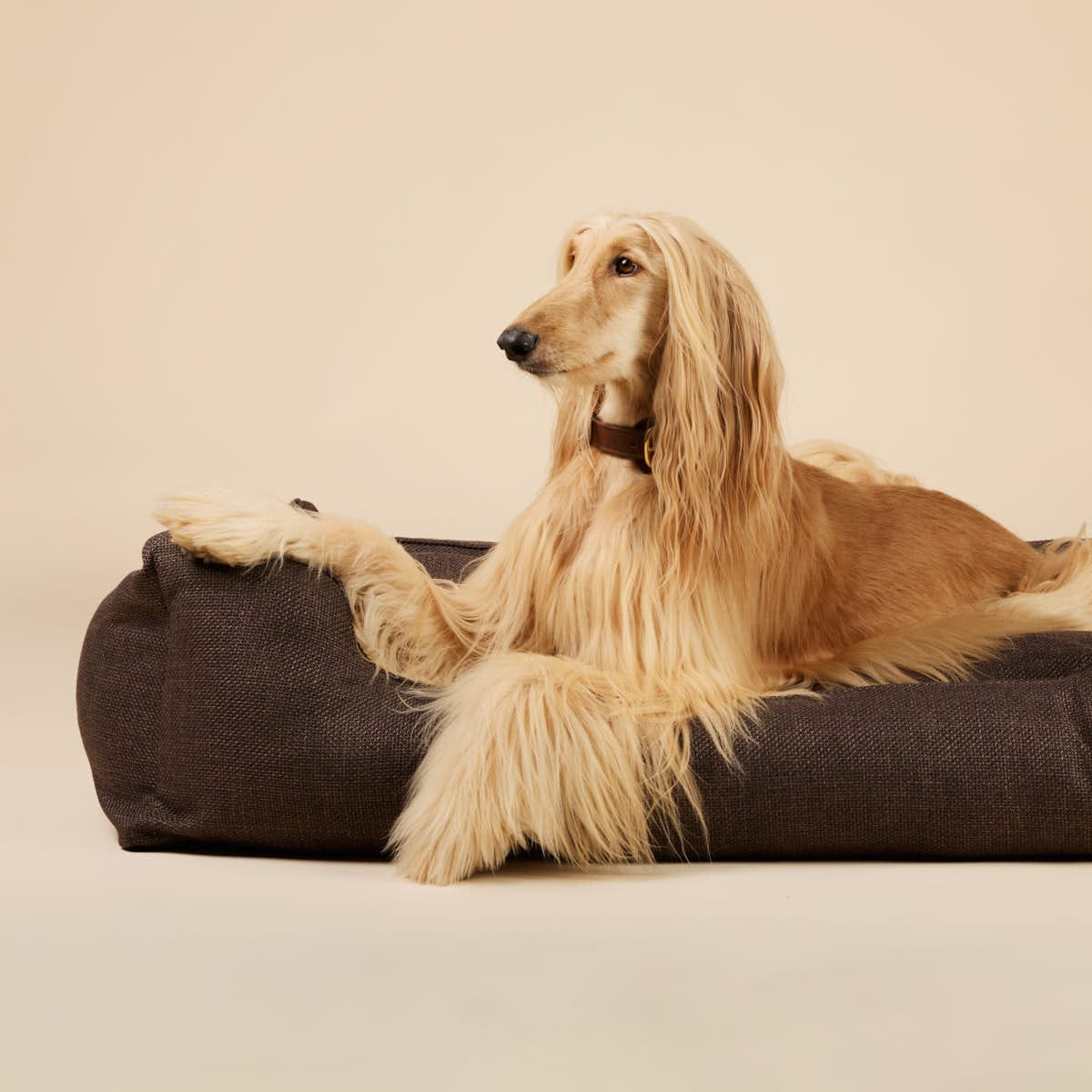
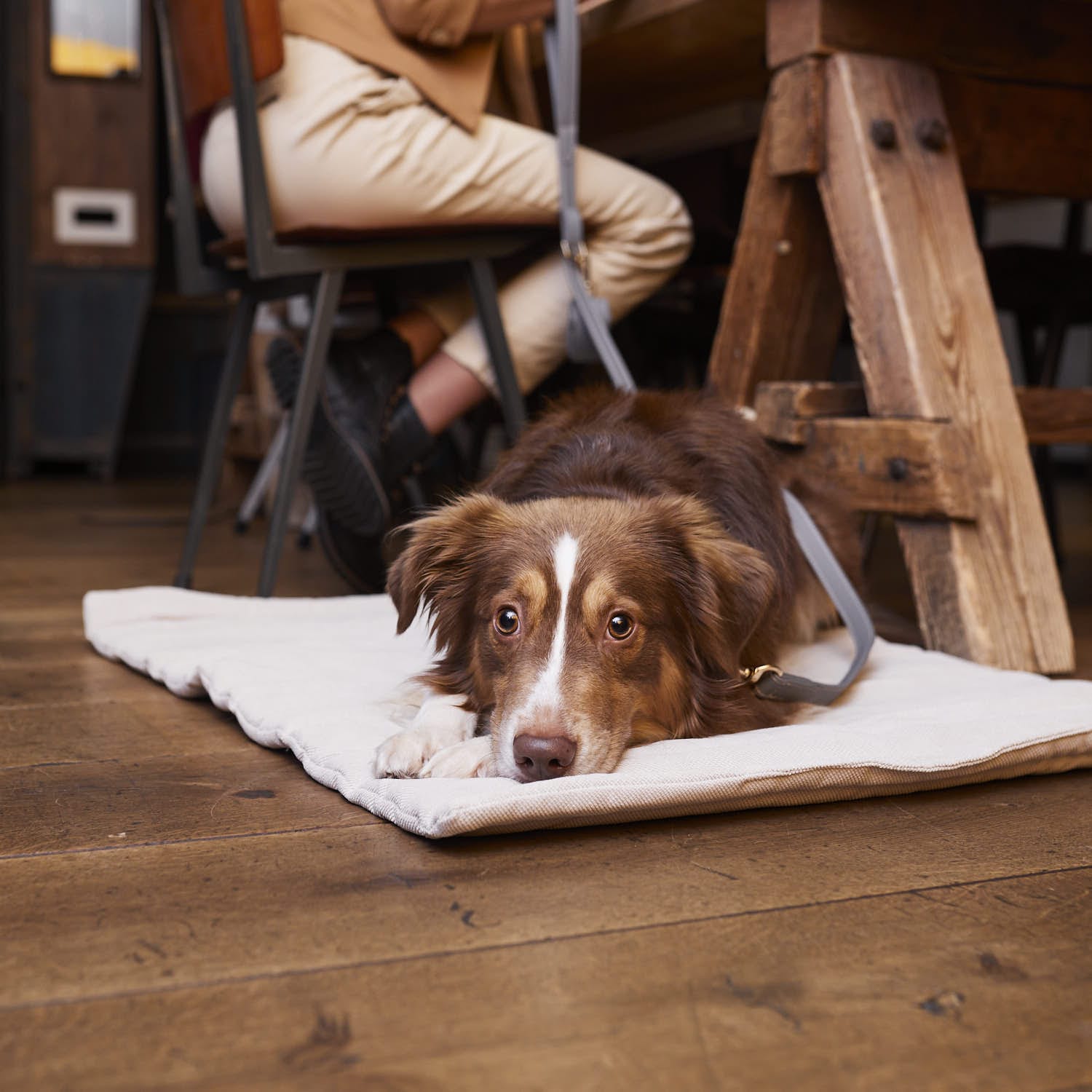
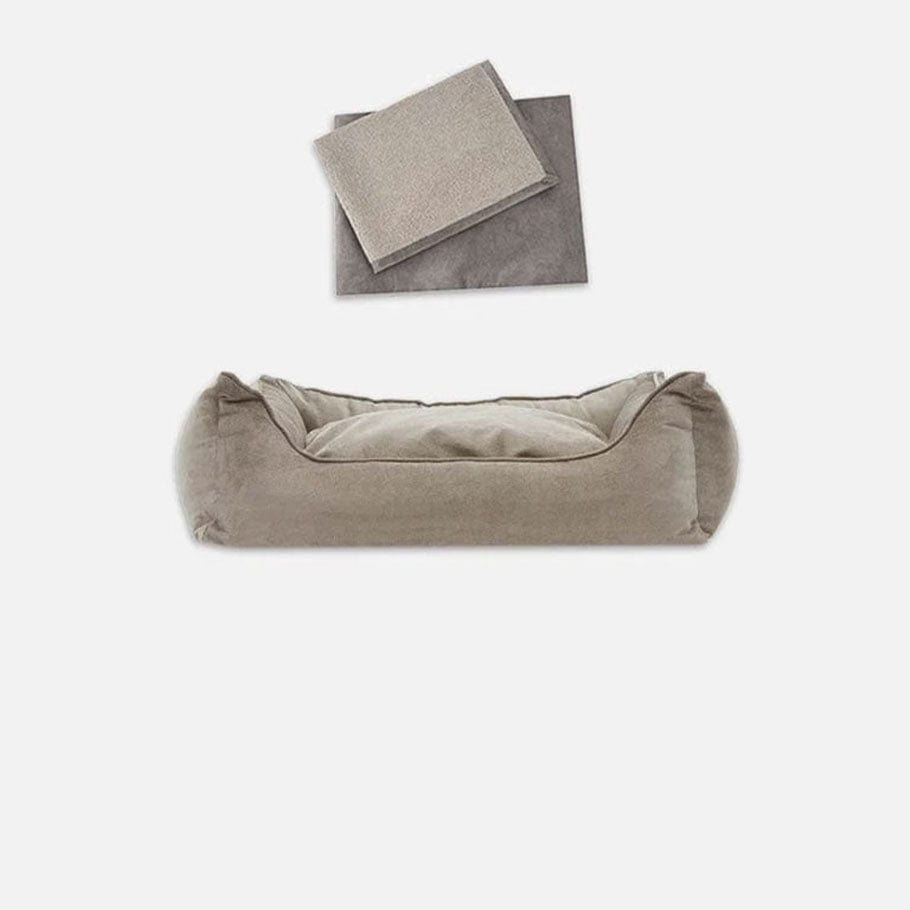
A fixed sleeping spot is the heart of any puppy starter kit, as it creates security and routine. Choose a surface that is easy to clean, with a non-slip underside and a size that allows for growth without your puppy looking 'lost' in it. Position the spot away from draughts, but not isolated, so your dog feels connected while still being able to switch off.
A crate (as a rest and transport crate) works particularly well when introduced positively: door open, treats inside, rewarding short rest periods. Crates are often standard in the car as they provide structure and keep your home puppy-proofed without extra effort. For the night, a blanket with a familiar scent helps; this reduces restlessness and supports gradually learning to be alone.
With premium sleeping spots, materials and craftsmanship matter: densely woven covers, clean seams, sturdy zips, and washable covers. Look for certifications and clear care instructions so hygiene stays simple. Puppies have more frequent 'accidents' - a cover that can be washed at 30-60°C saves time and keeps your home fresh.
Feeding Area: Bowls, Food, and Stress-Free Routines
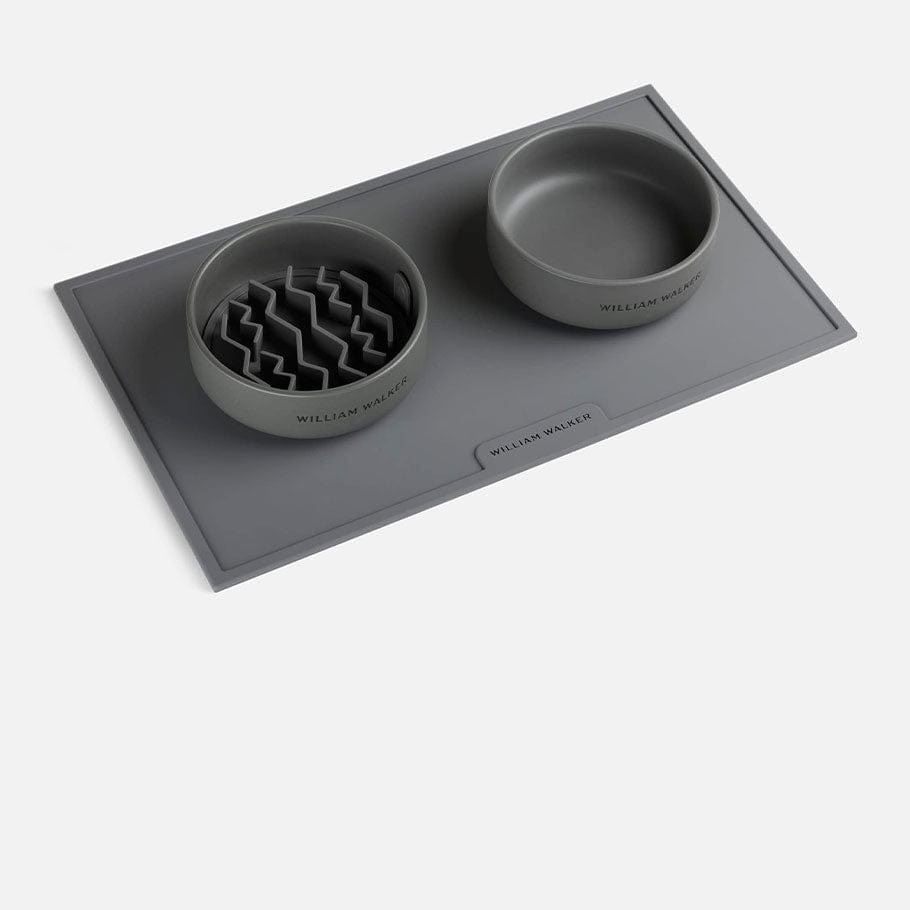
For the feeding area, you need two bowls (water and food) and a non-slip mat so nothing slides around. Stainless steel or ceramic are hygienic and flavour-neutral; plastic absorbs odors more quickly and shows scratches sooner, in which biofilm can accumulate. Place the feeding area somewhere calm but accessible, so your puppy learns a stable ritual in no time.
Plan food and treats from the start: part of the daily ration is used in training, so rewards don't escalate 'on top'. Airtight containers are ideal for storage, protecting aroma and keeping food fresh. A kitchen scale helps with precise portions, as many puppies show digestive stress with oversized portions - routine beats instinct.
Follow clear, official nutritional guidance rather than trends. FEDIAF publishes nutritional guidelines for dog and cat food in Europe and sets standards for complete and balanced compositions. Source: FEDIAF - Nutritional Guidelines.
Walk Setup: Harness, Leash, Safety, and Comfort
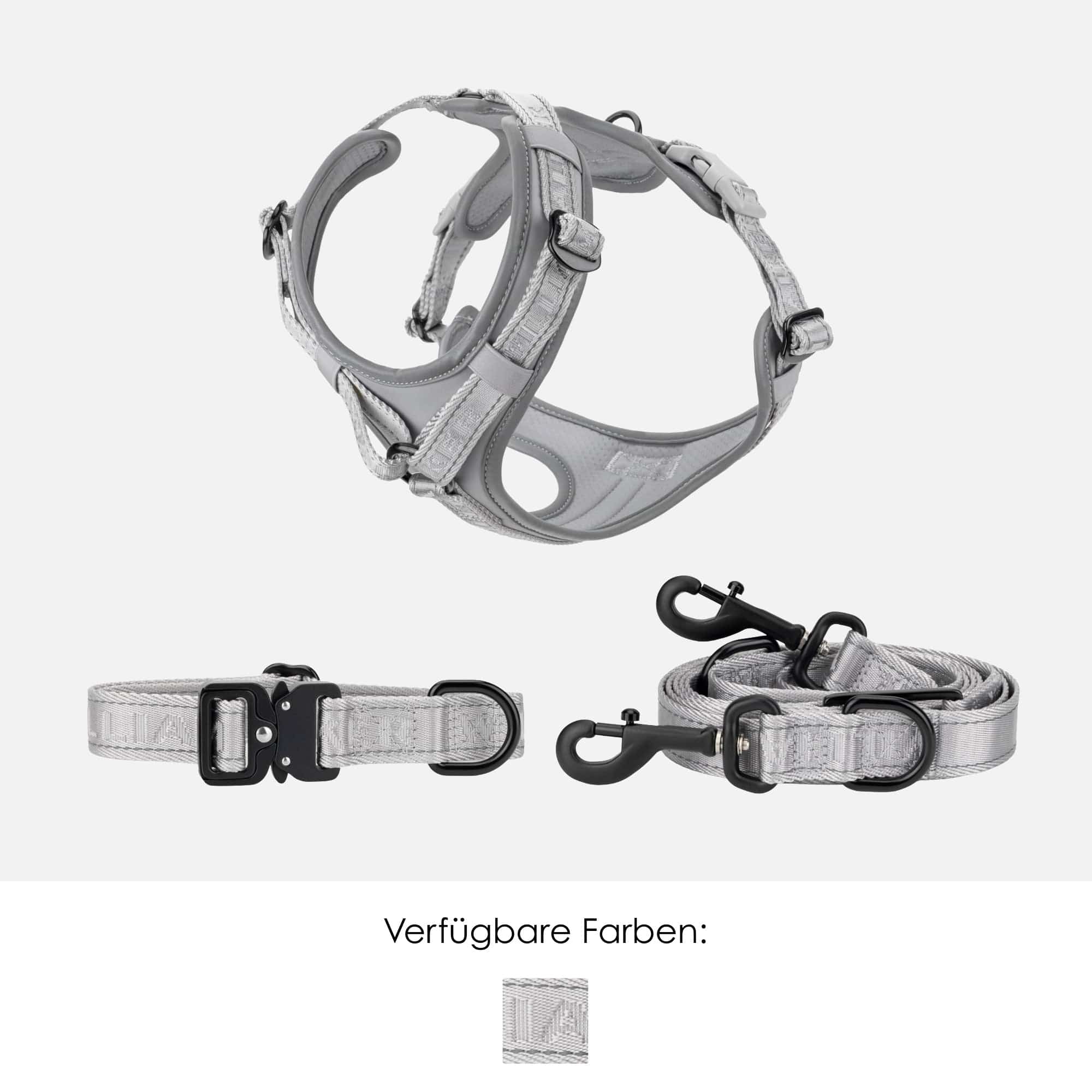
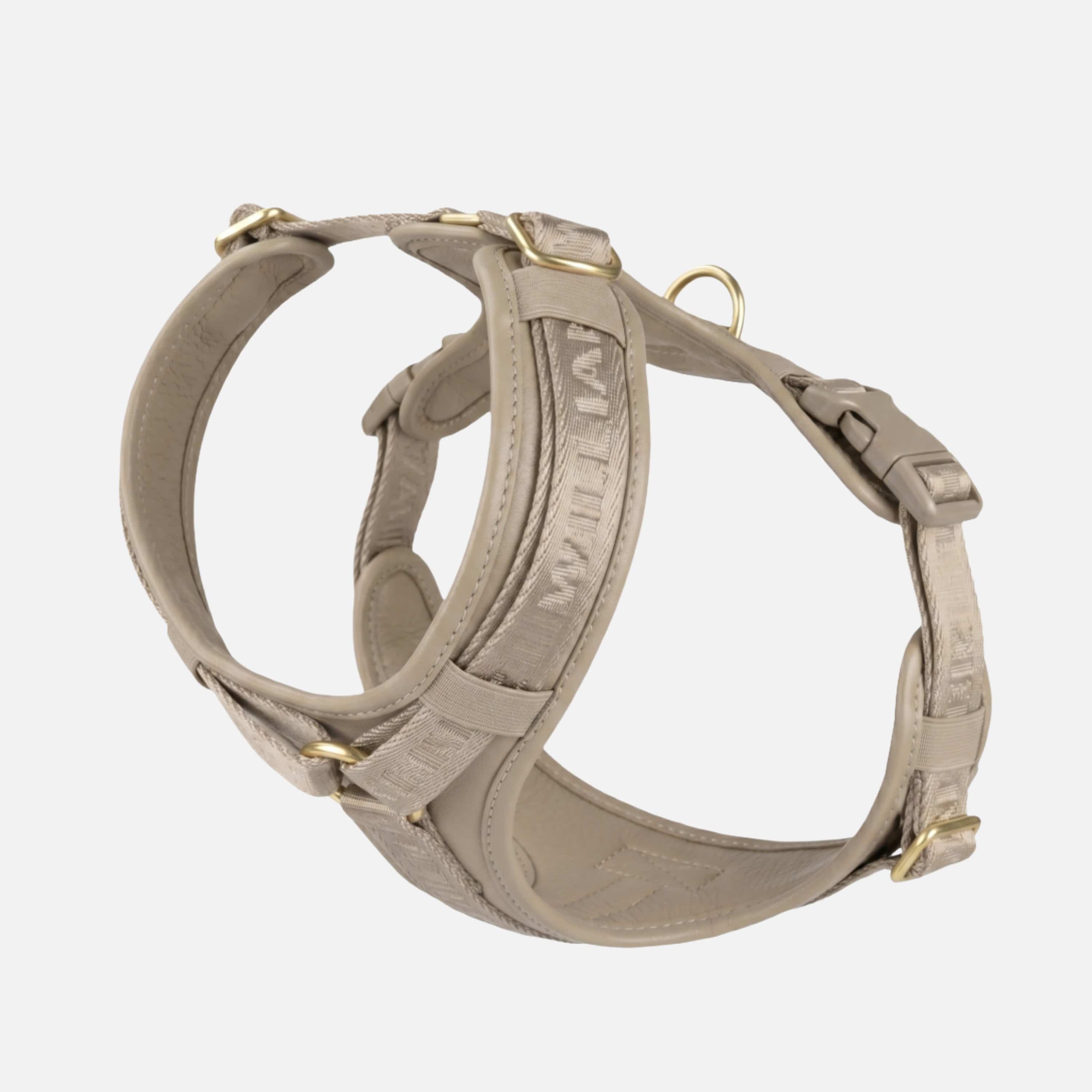
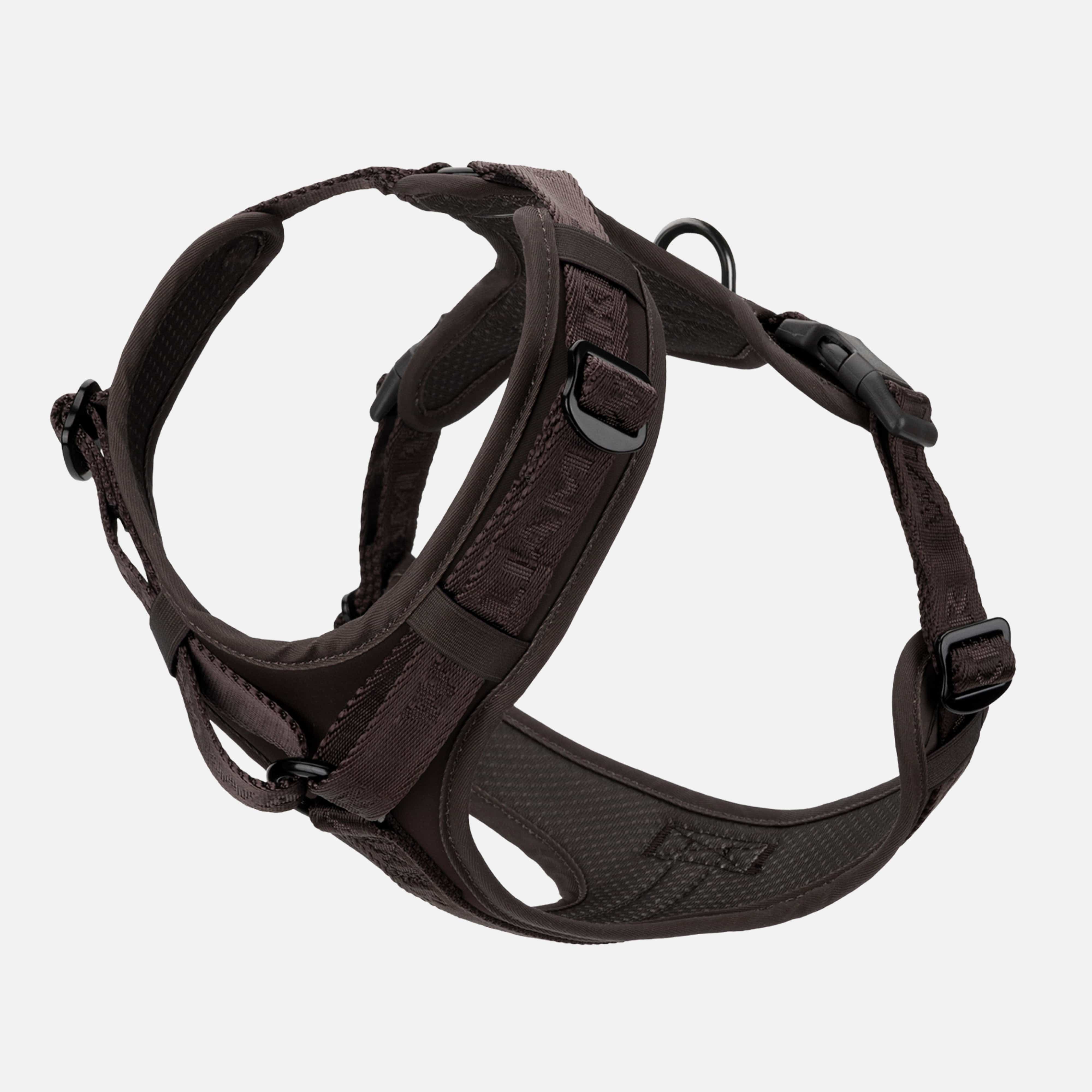
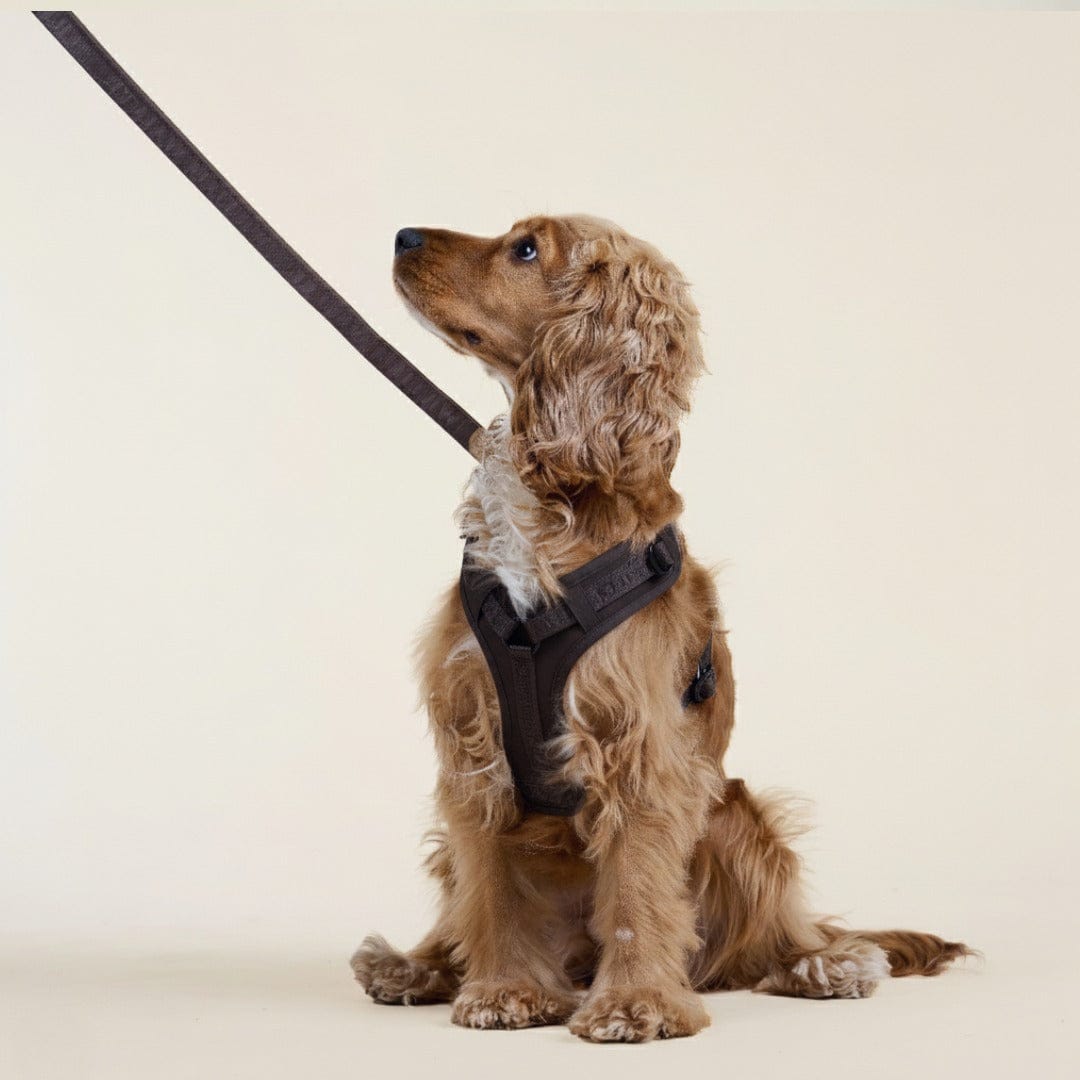
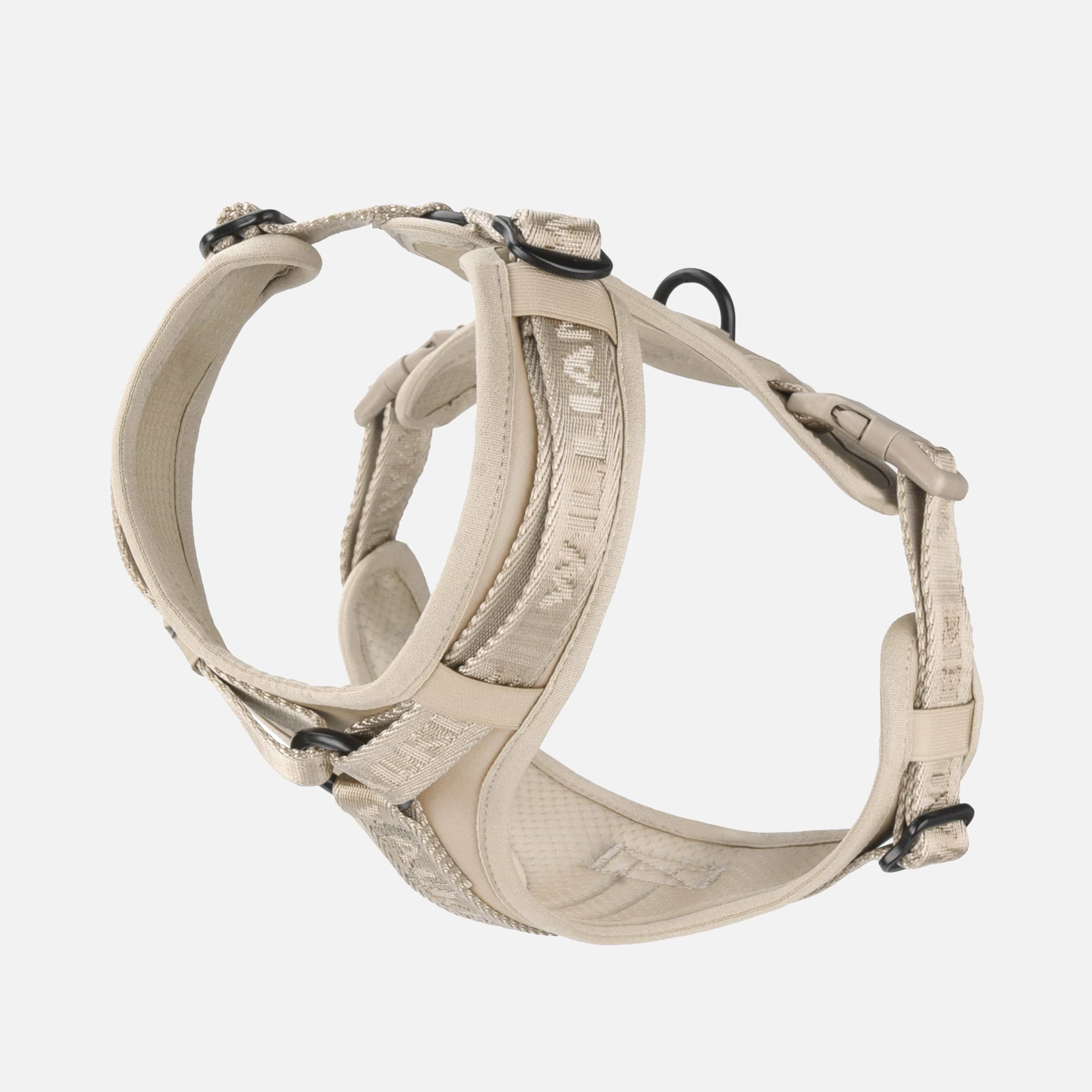
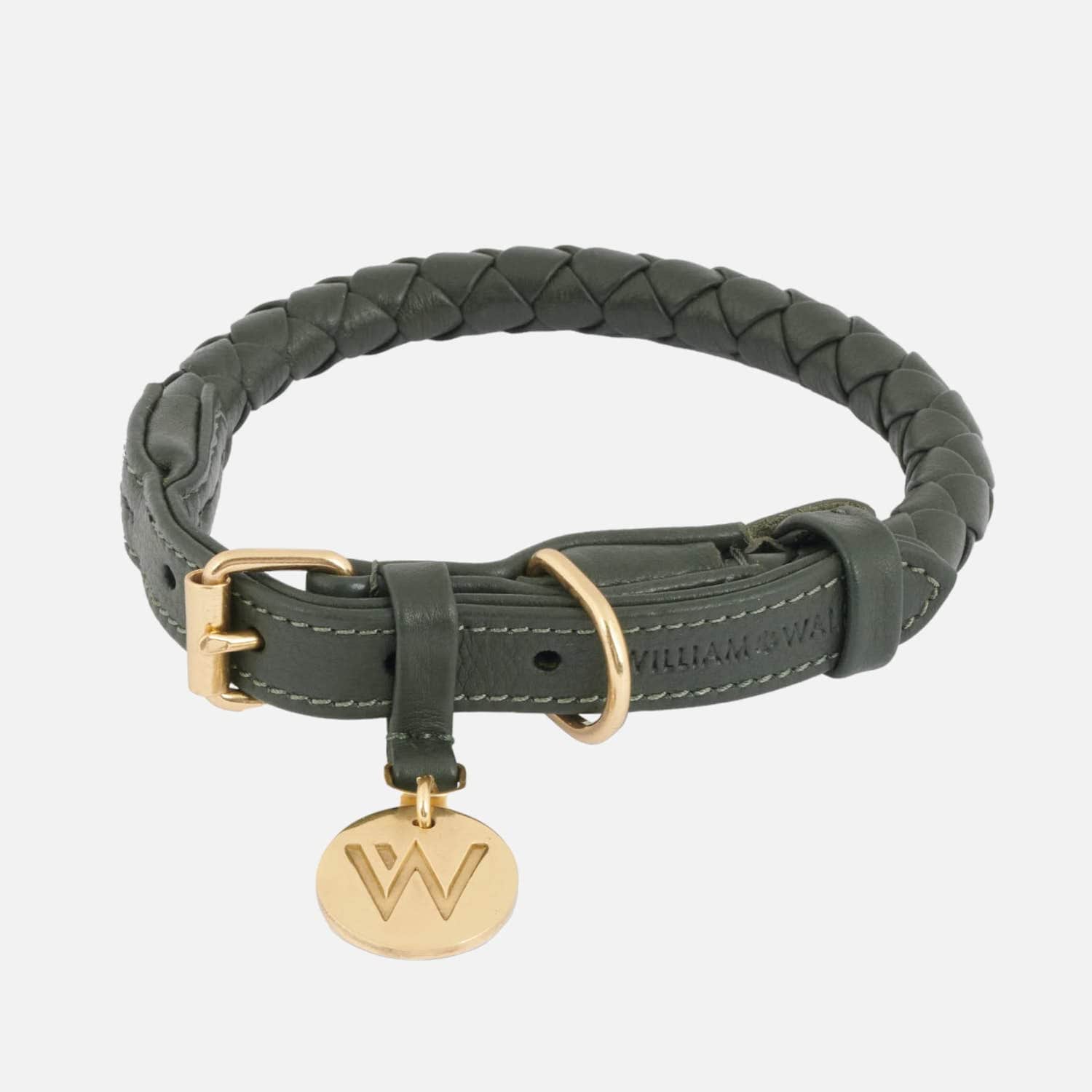
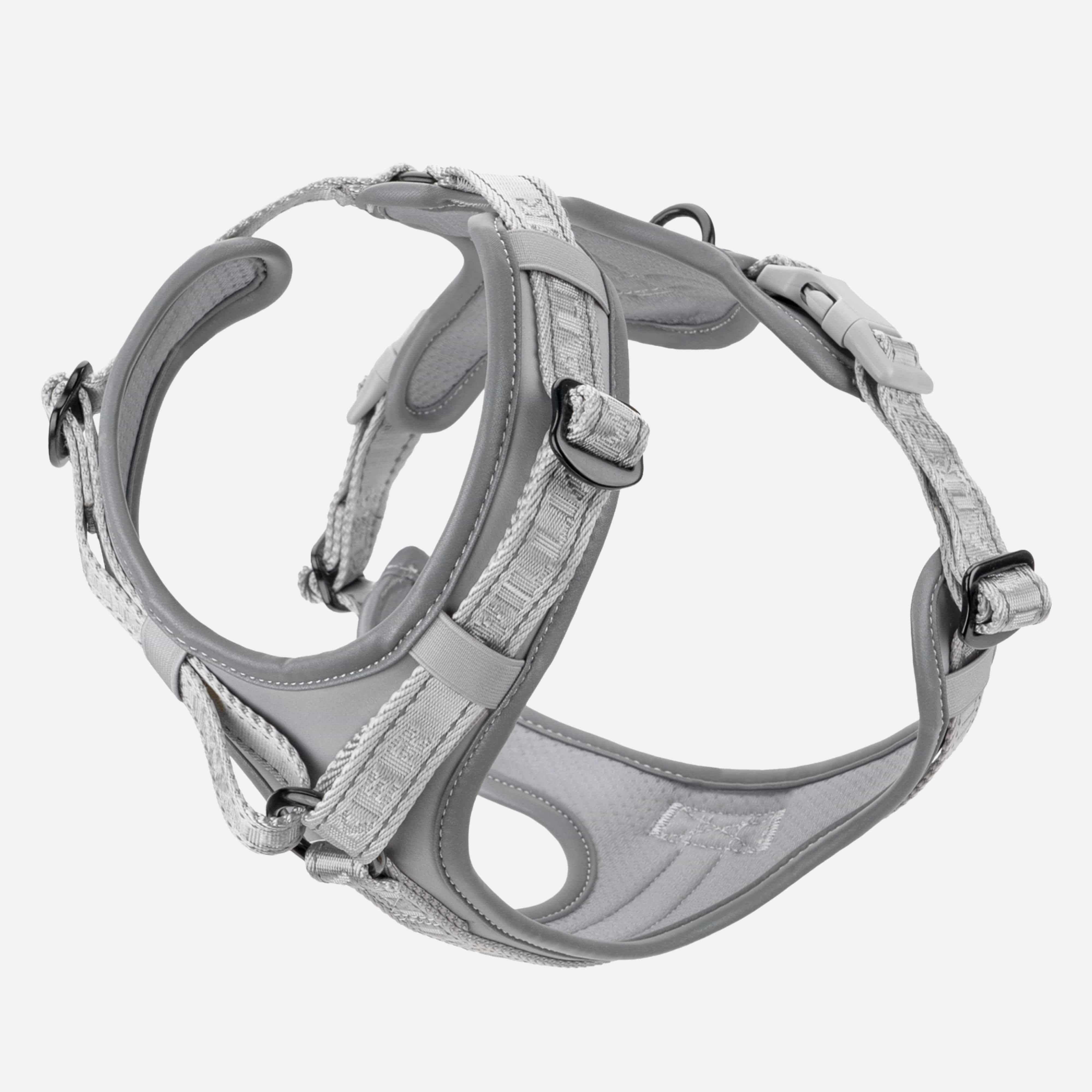
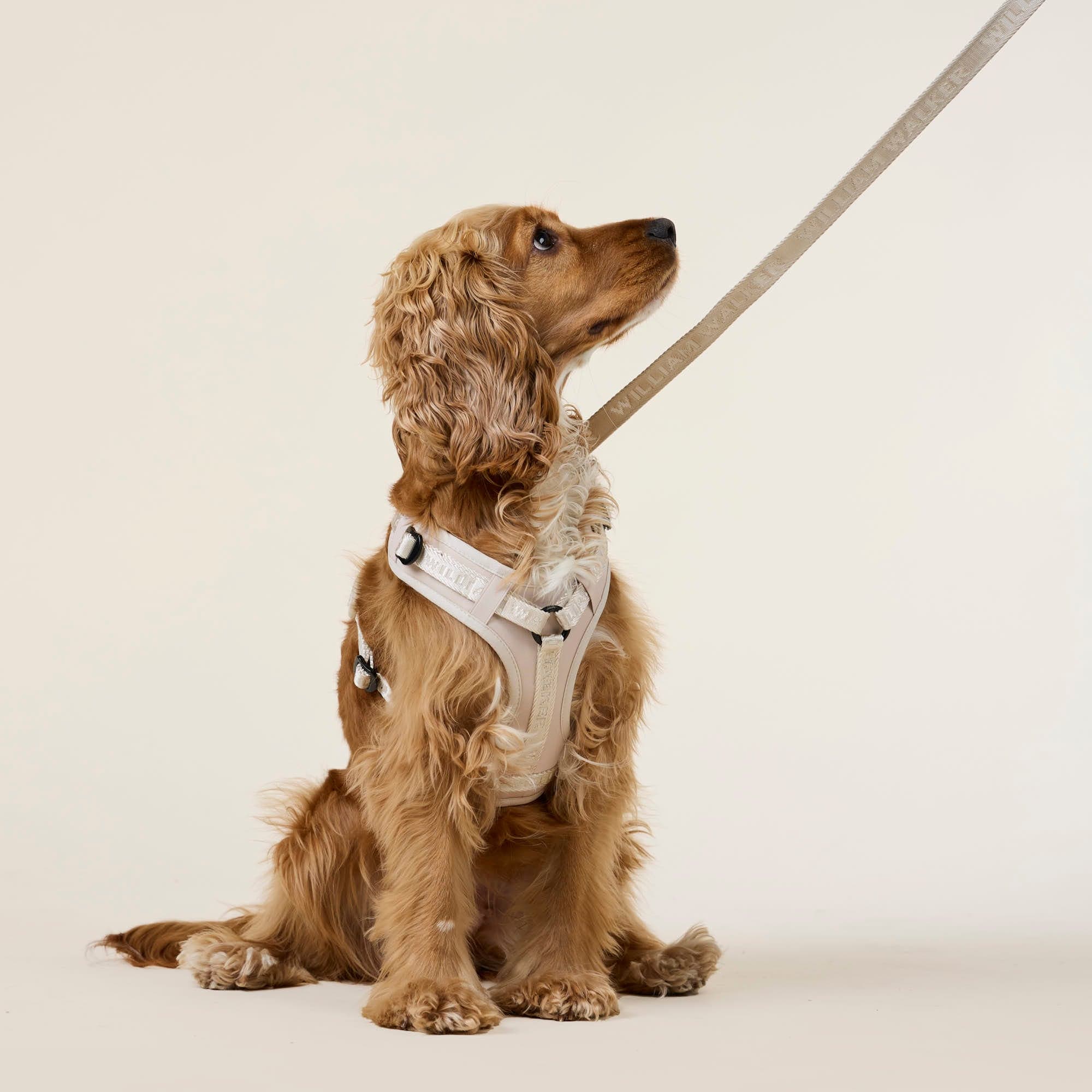
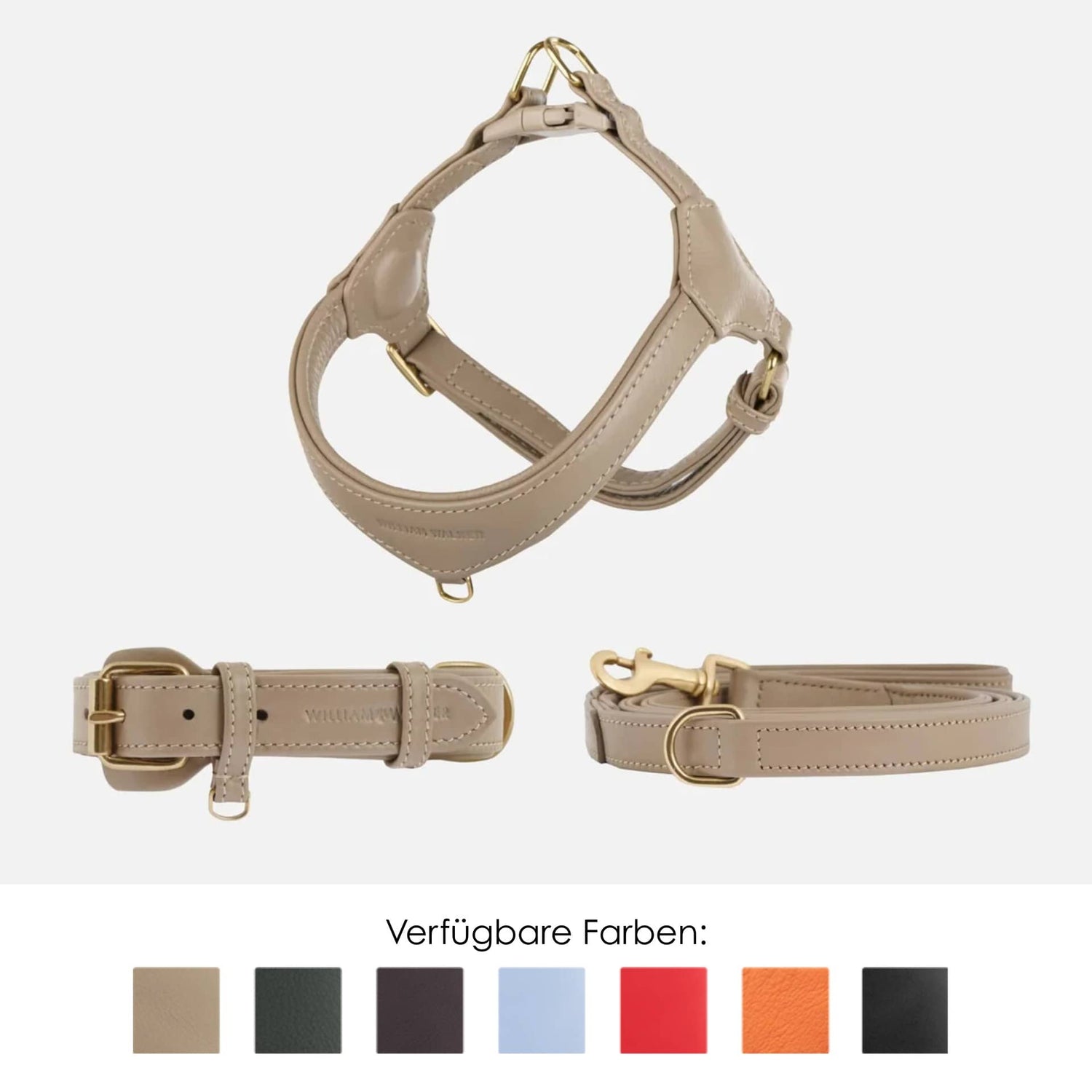
The walk setup is where purchasing mistakes happen most often: too heavy, too stiff, poorly adjustable. For puppies, a well-fitting harness is often the comfortable choice, as it distributes pulling better and protects sensitive areas. Soft edges, sturdy seams, securely closing buckles, and sufficient adjustment range for growth are all essential.
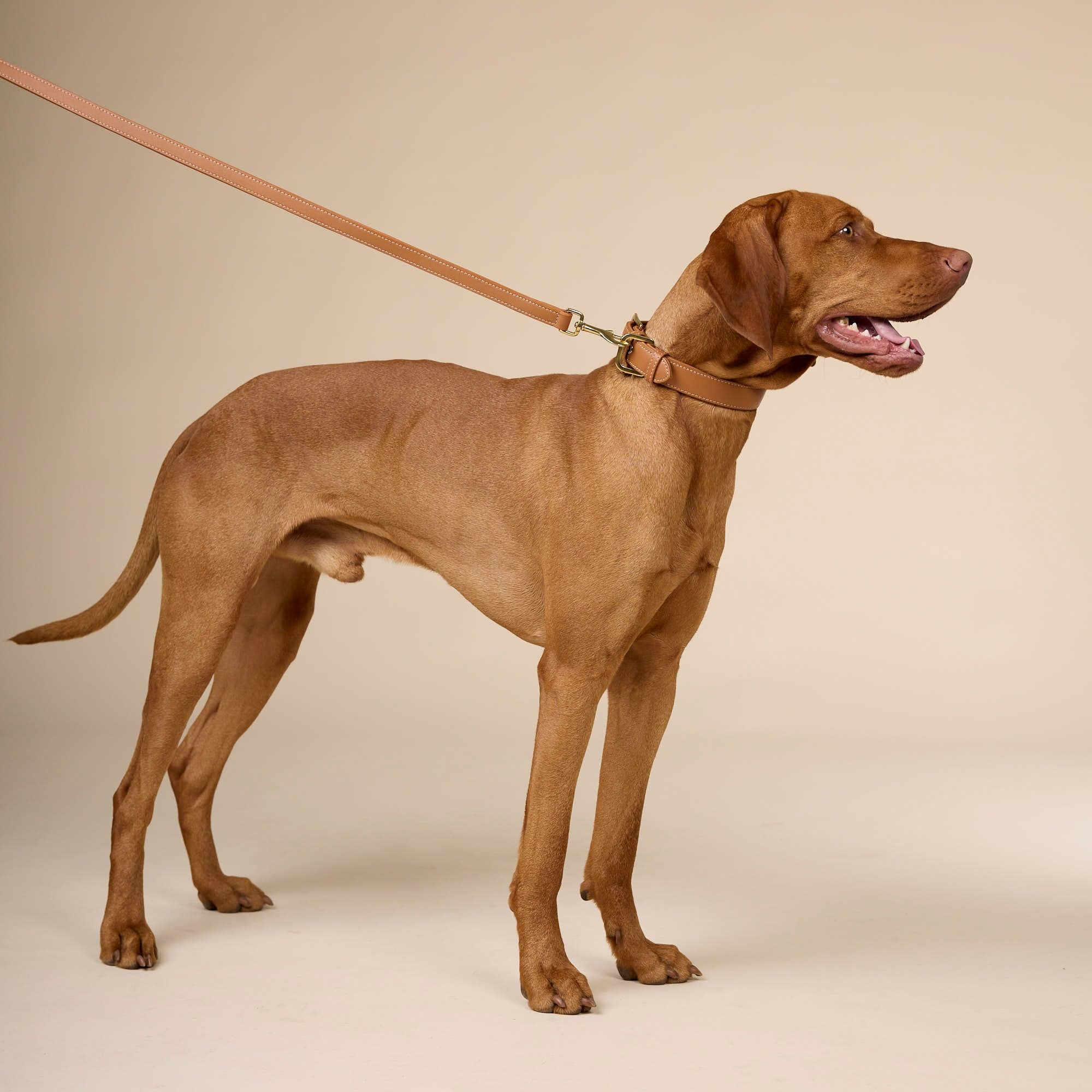
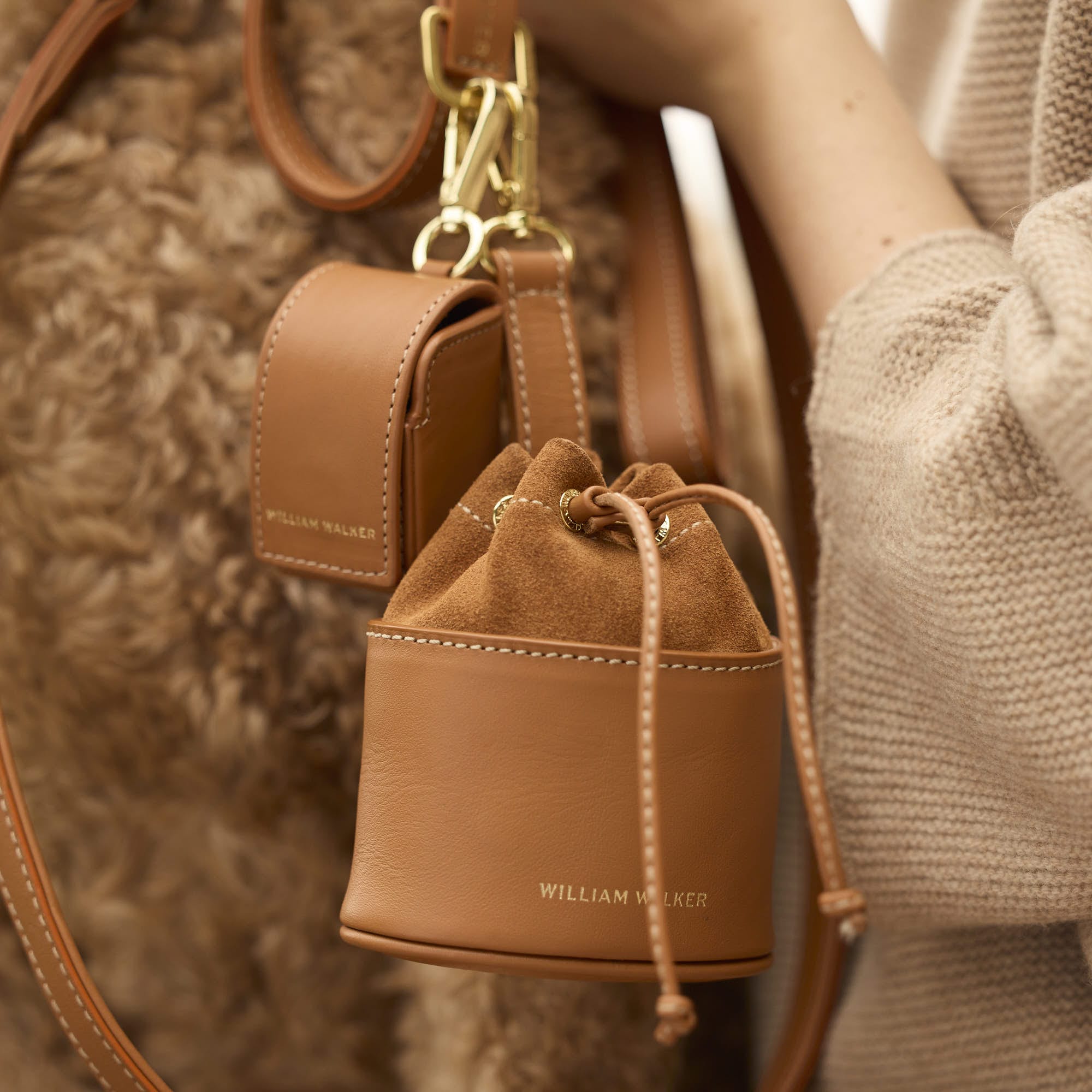
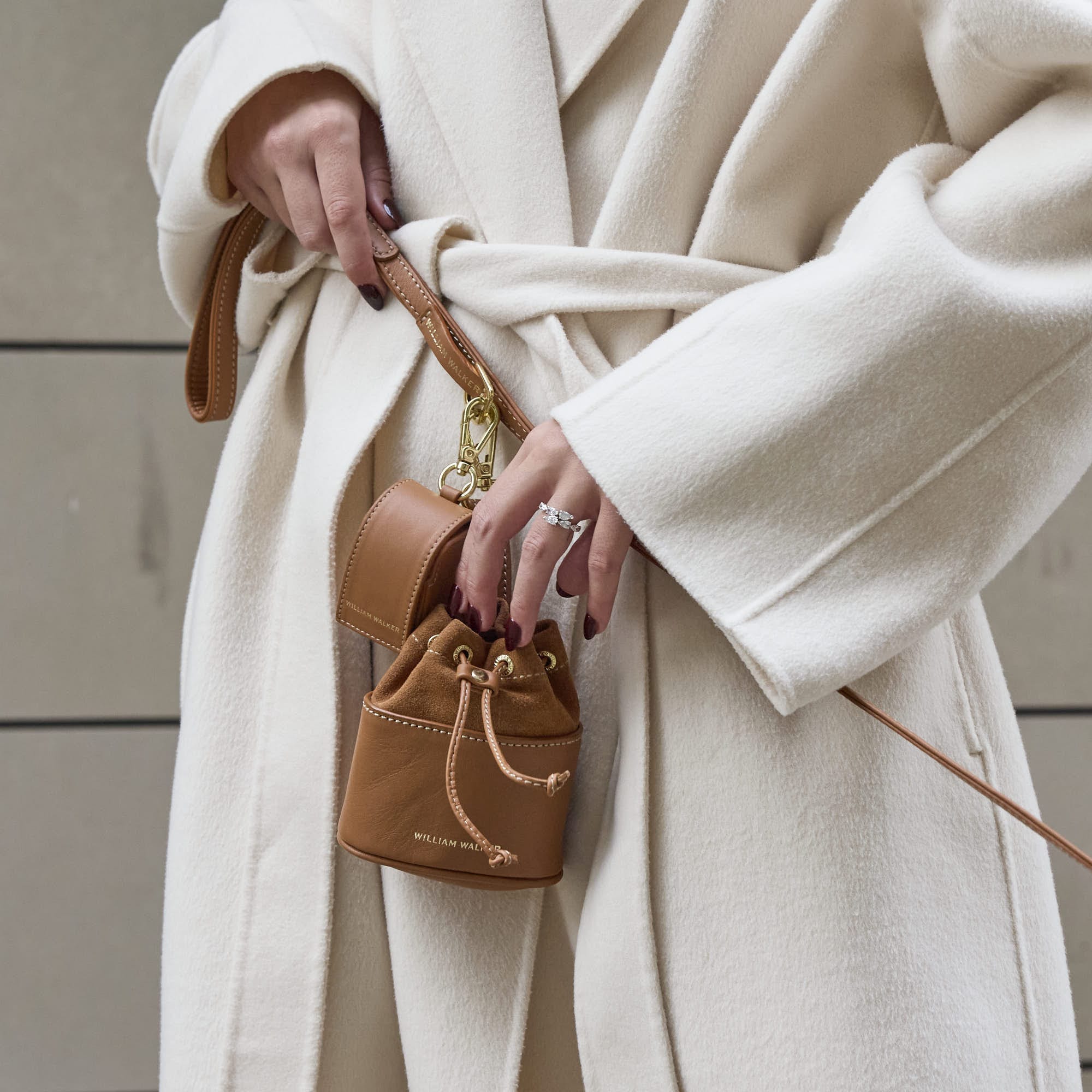
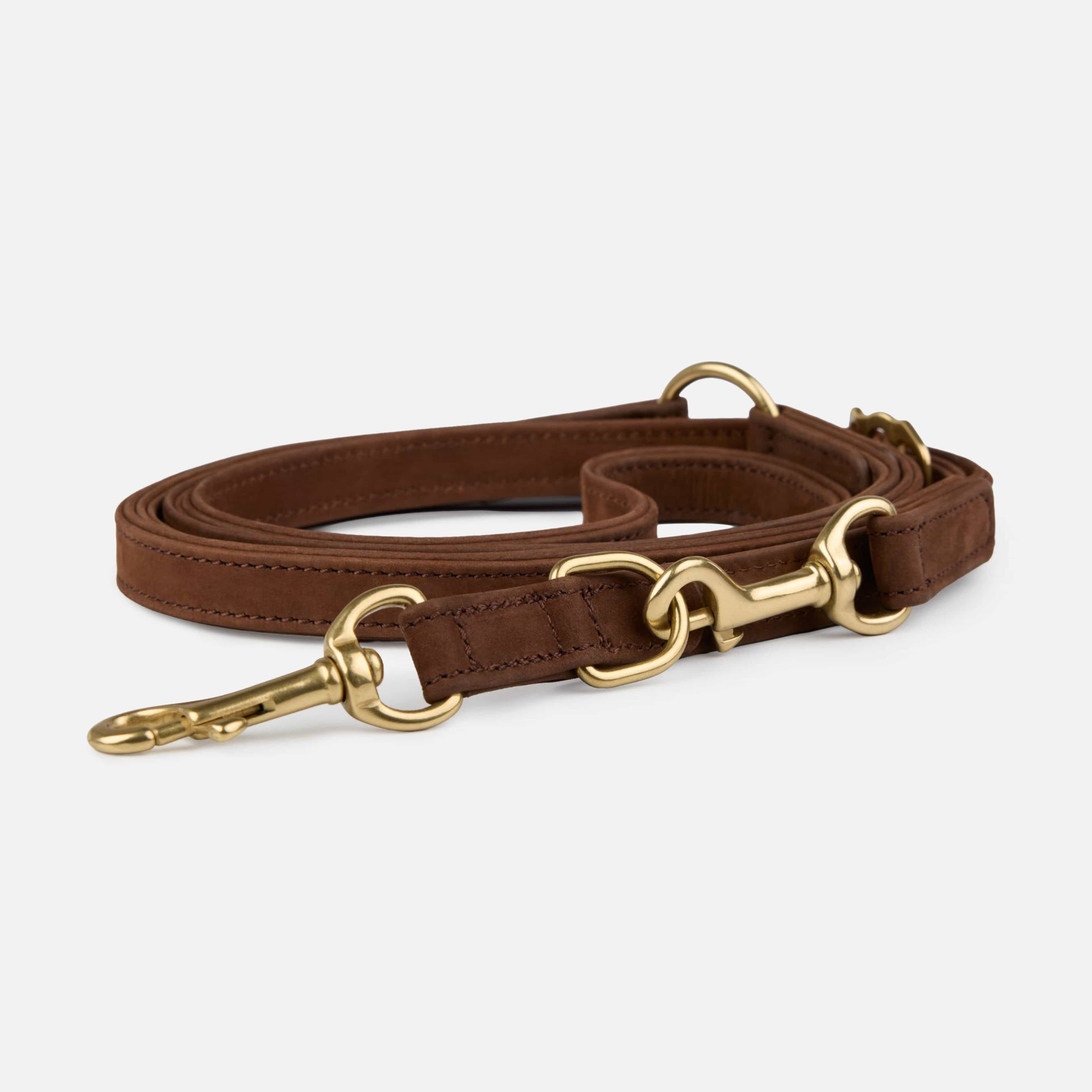
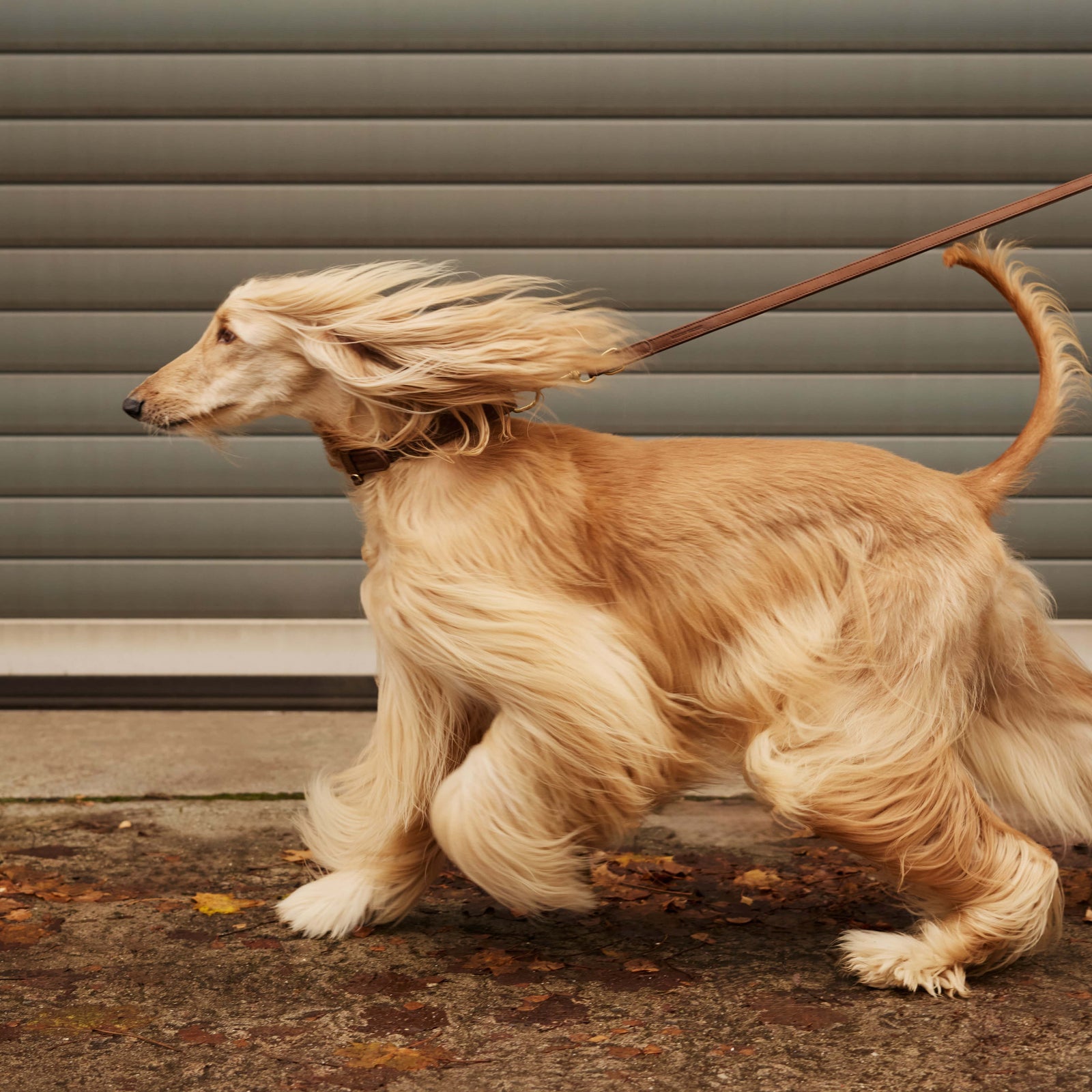
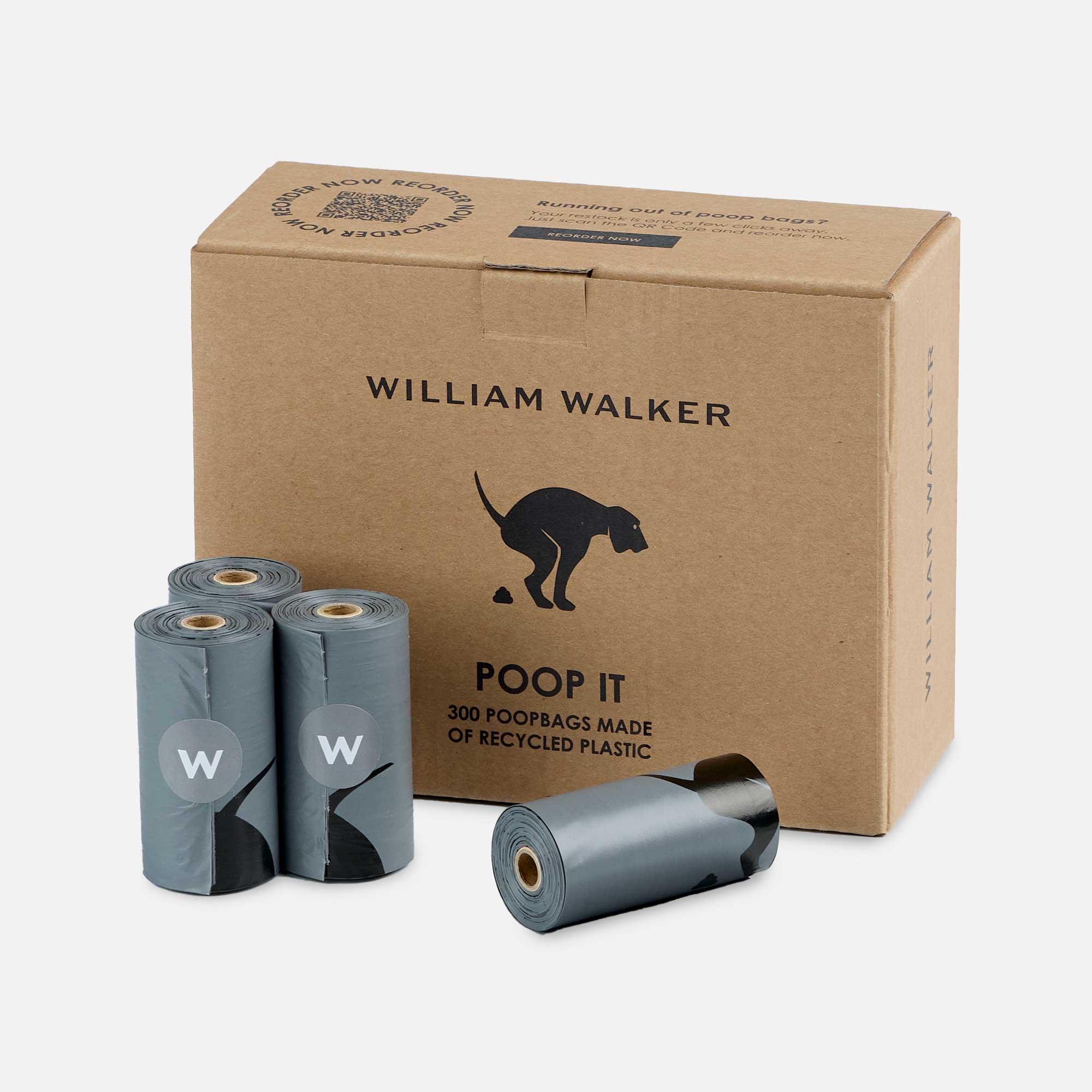
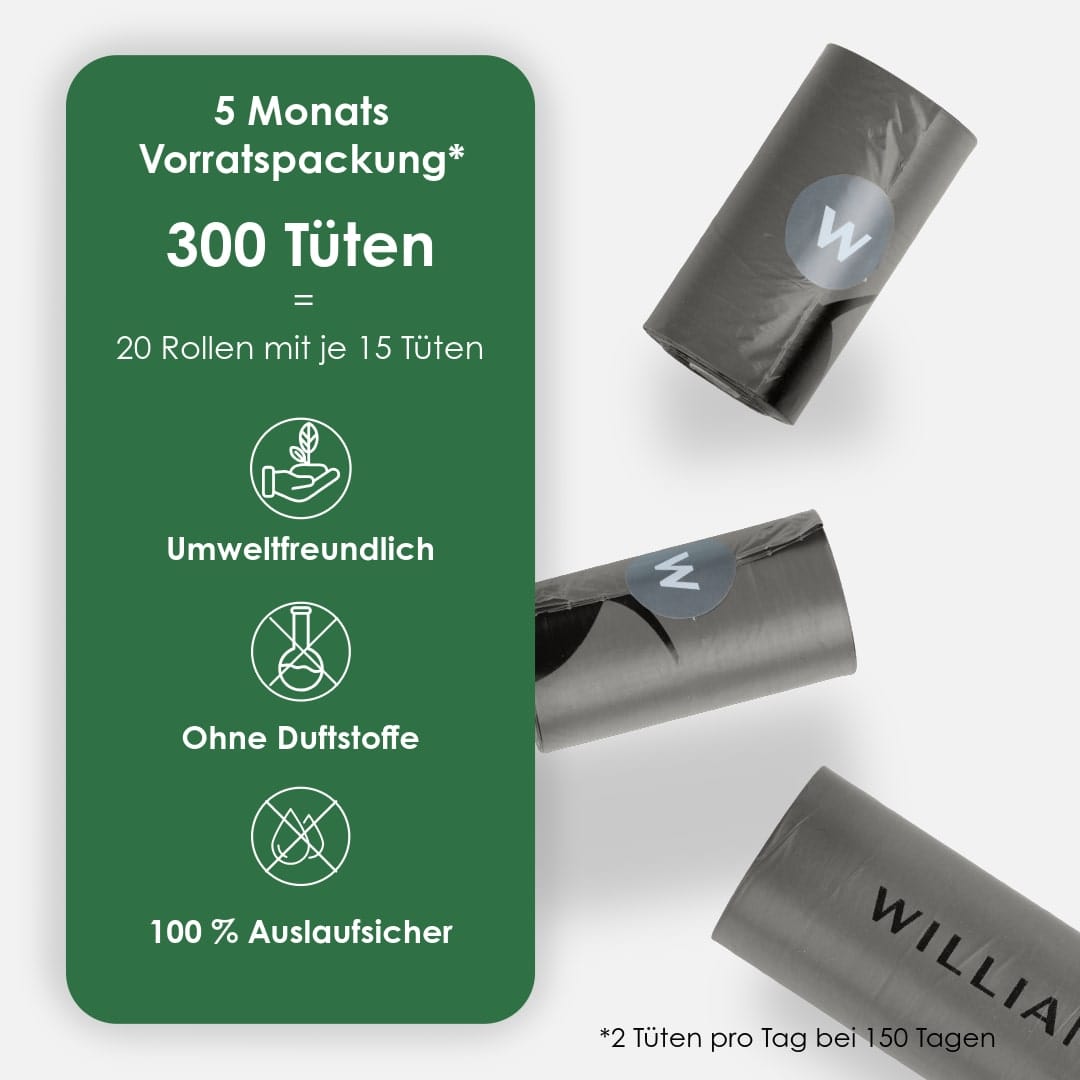
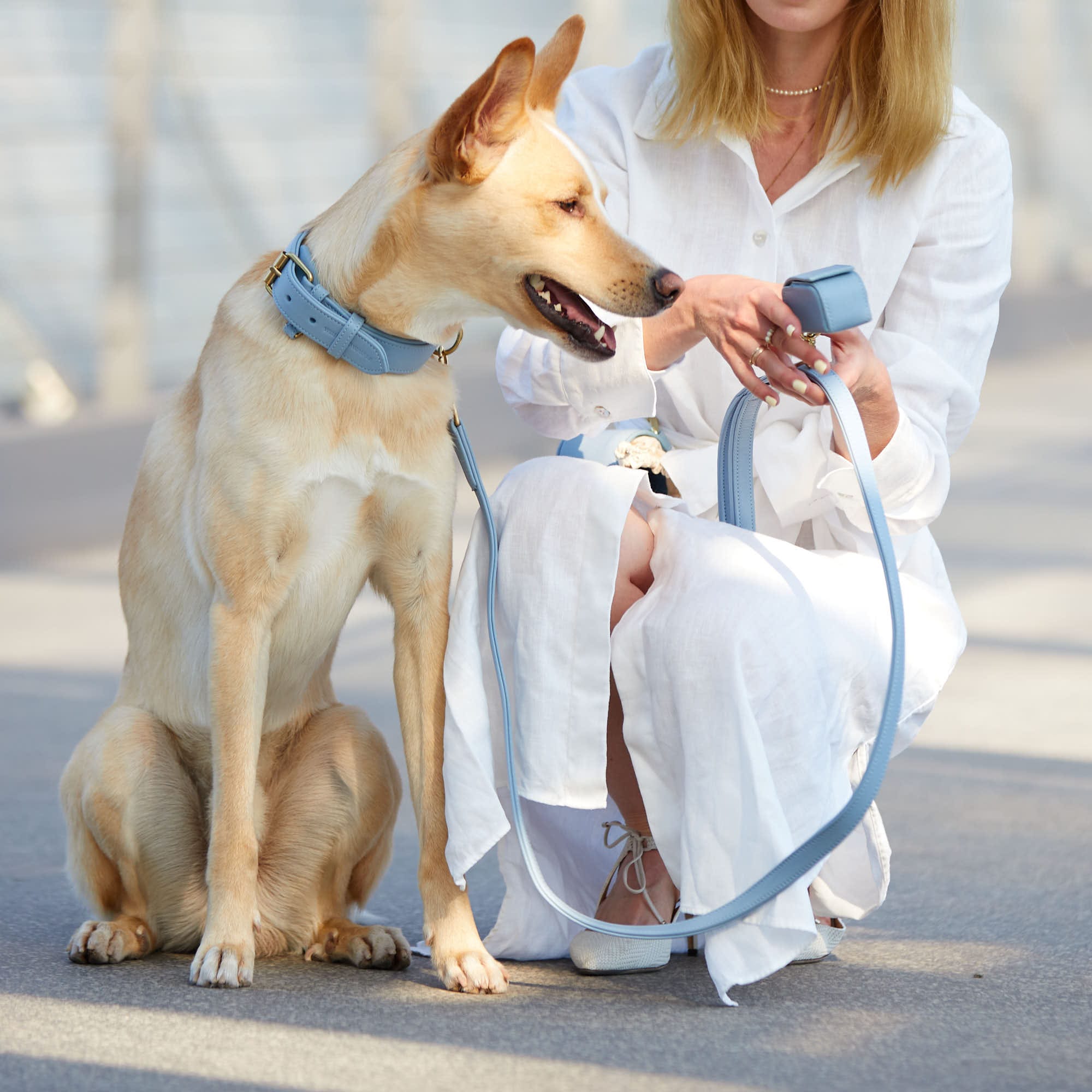
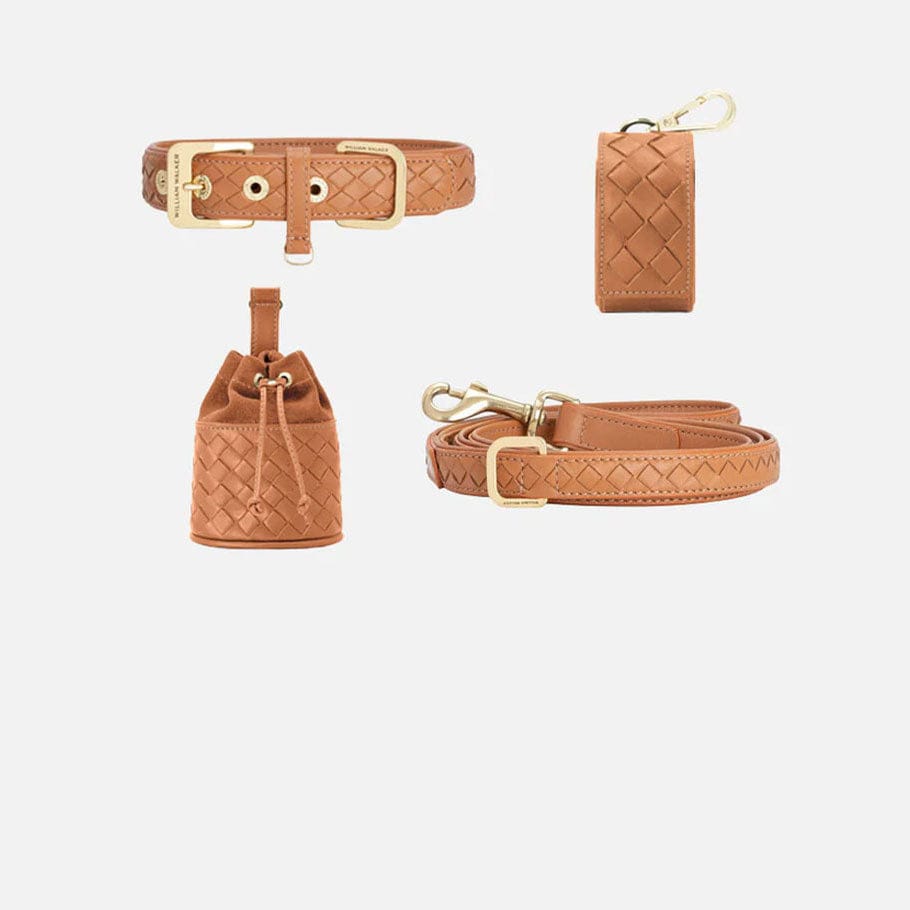
A short lead (approx. 1.5-2 m) provides control in new situations, while retractable leads often lead to unclear communication during the puppy stage. Add poo bags, a small bag dispenser, and optionally a small treat pouch so you can reward quickly on the go. For urban environments, reflective material is also worthwhile, as visibility is a safety factor.
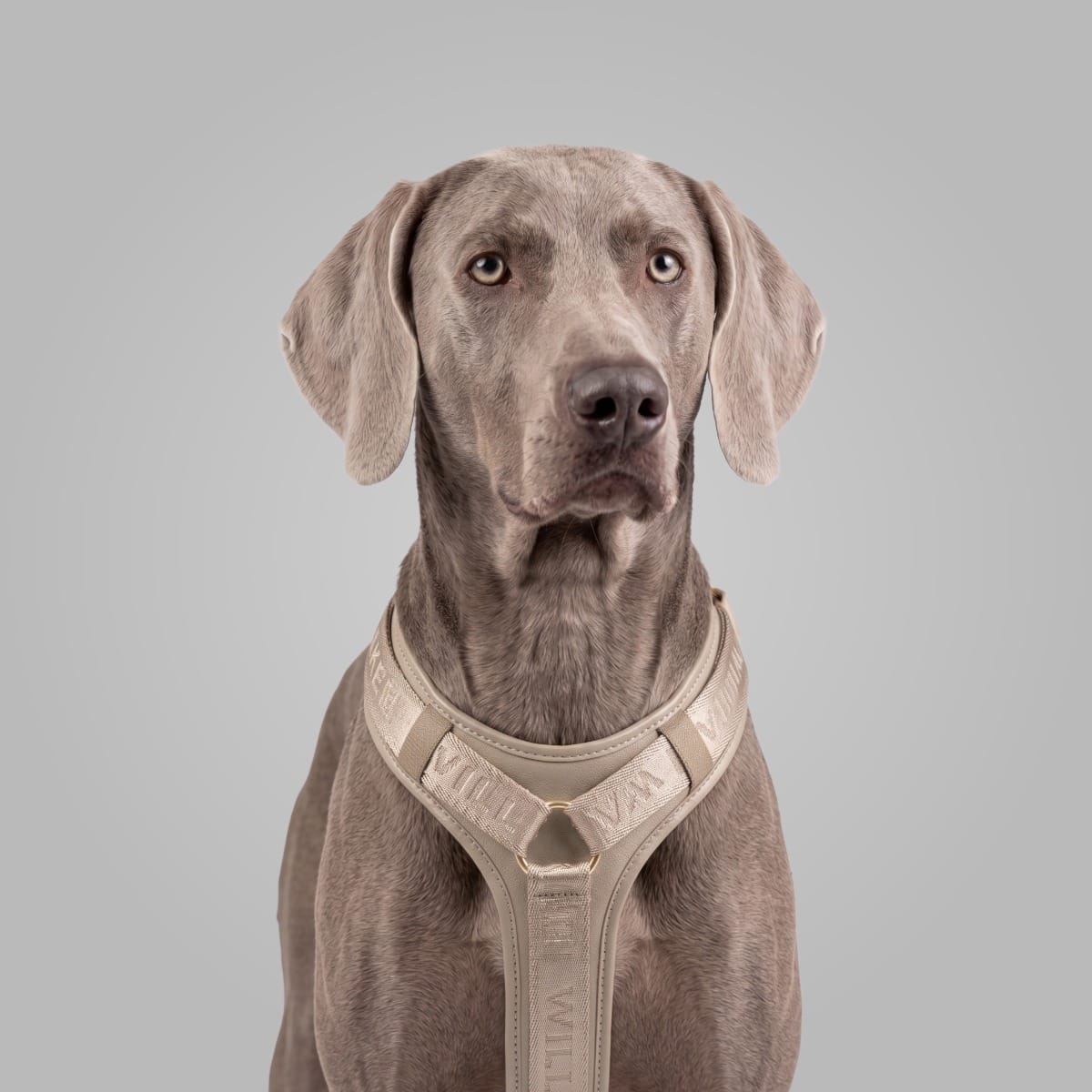
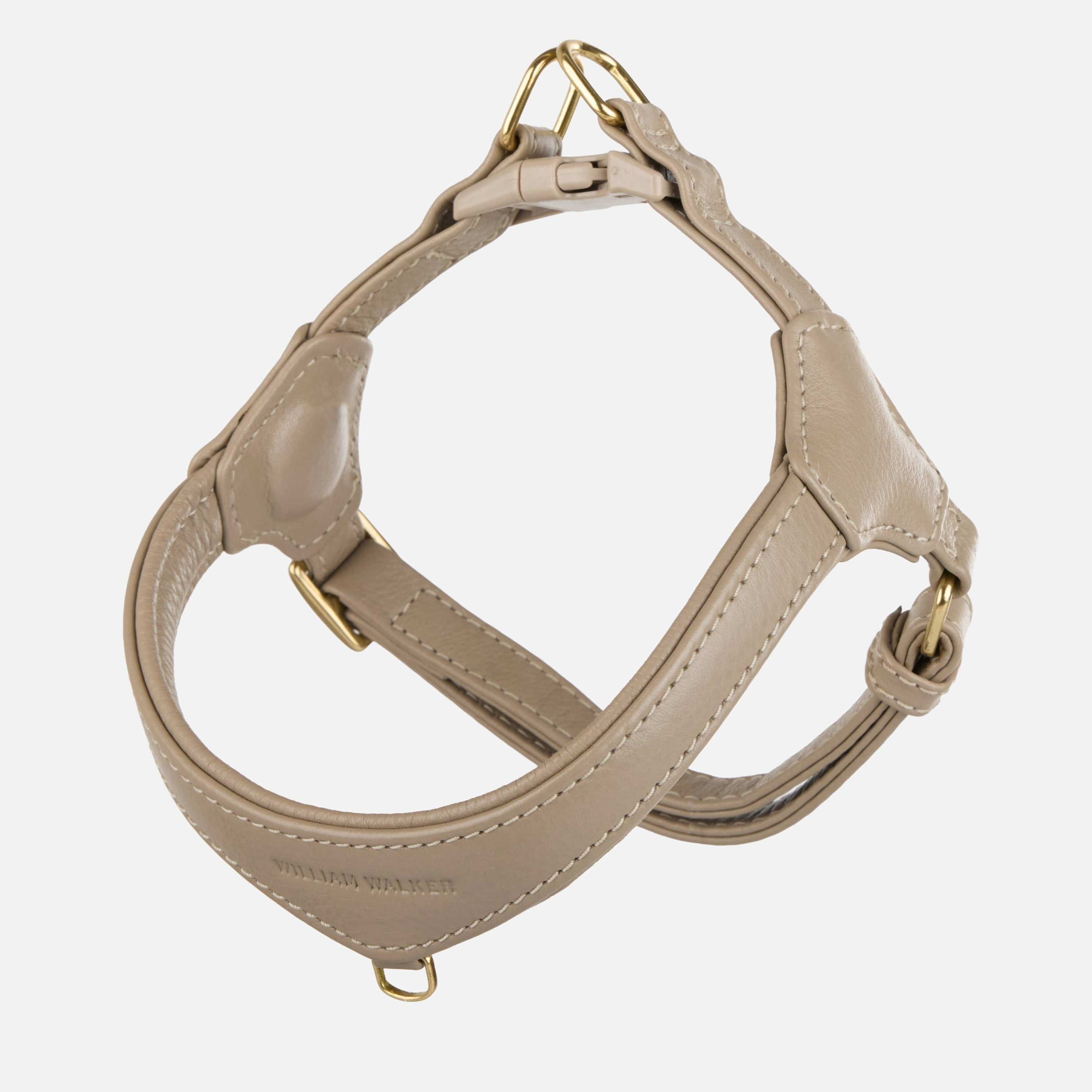
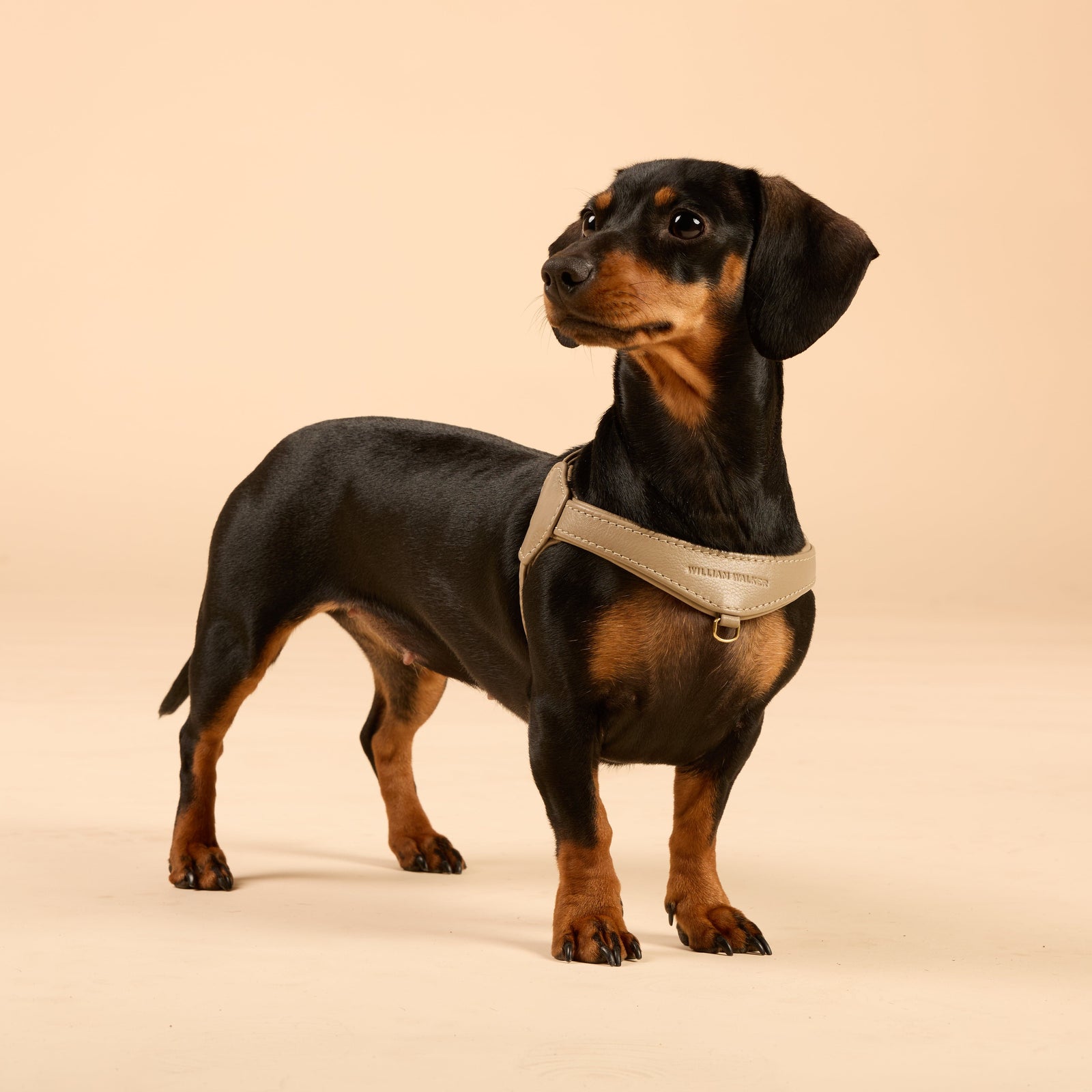
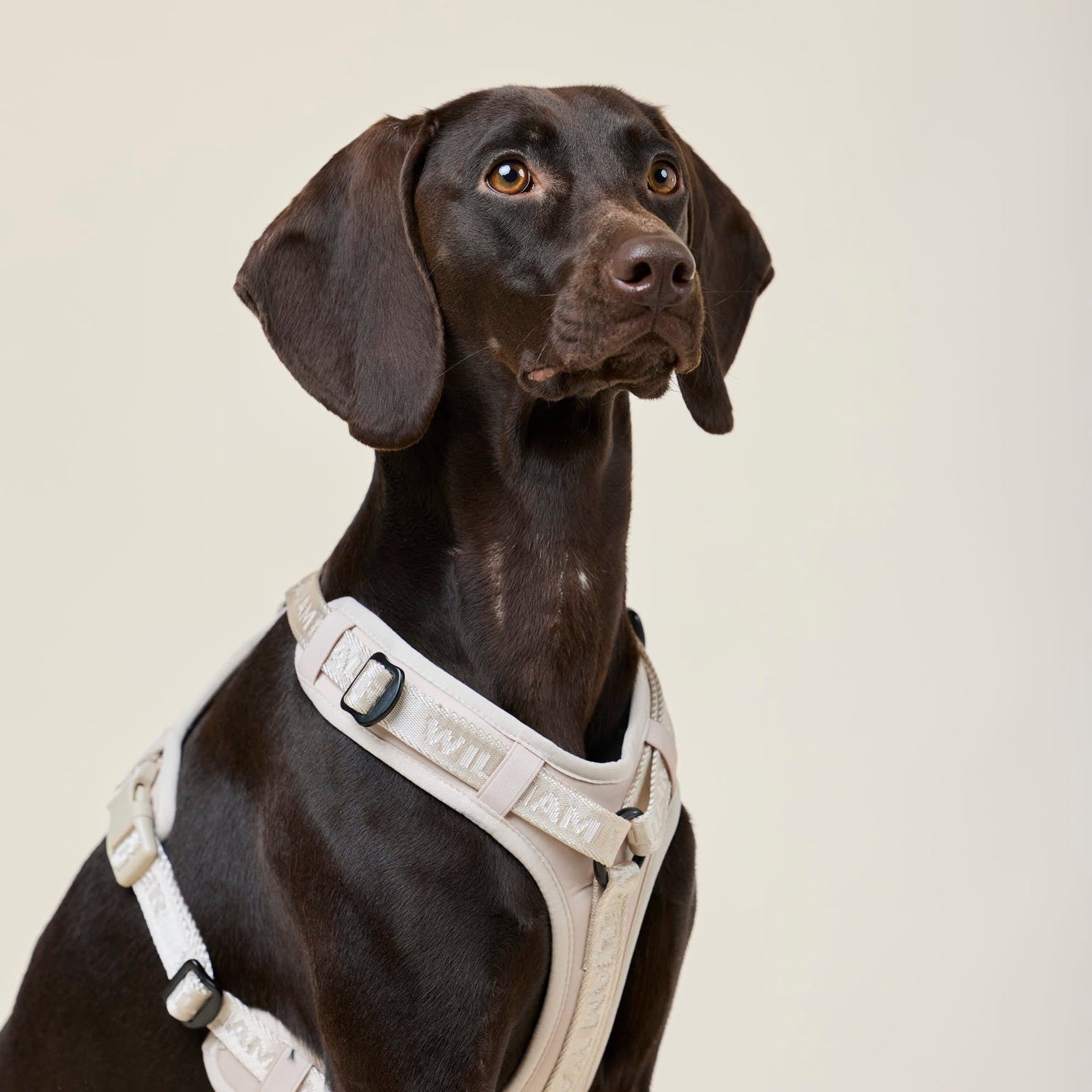
If you want to combine style and functionality, a well-crafted step-in harness for small dogs fits seamlessly into daily life, as it's quick to put on and take off. William Walker offers the Step-In Harness Pico for small dogs and puppies, combining timeless design with everyday practicality. The key remains: measure the chest circumference correctly and adjust the harness so that two fingers fit beneath the straps.
Fit Check: How a Harness or Collar Should Fit
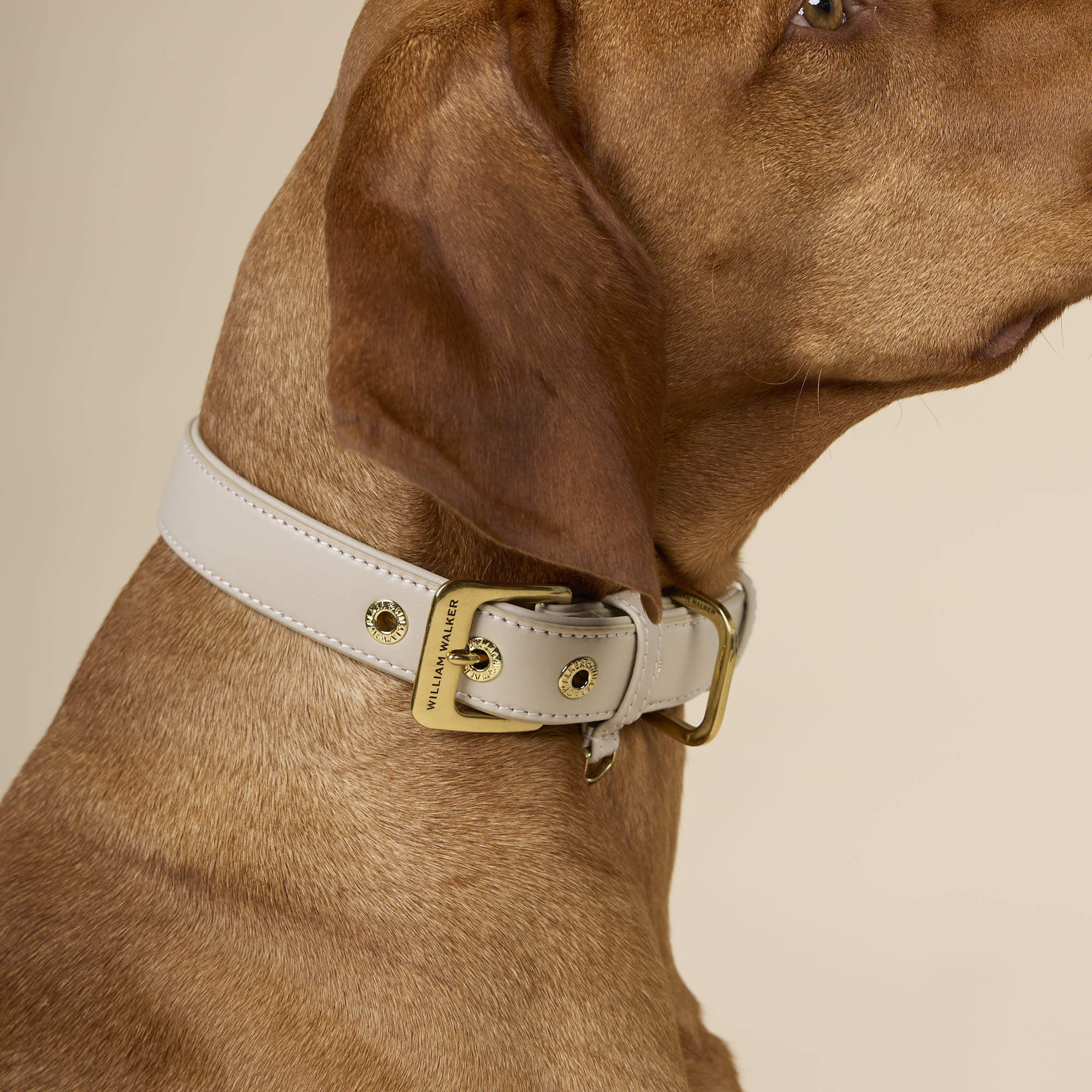
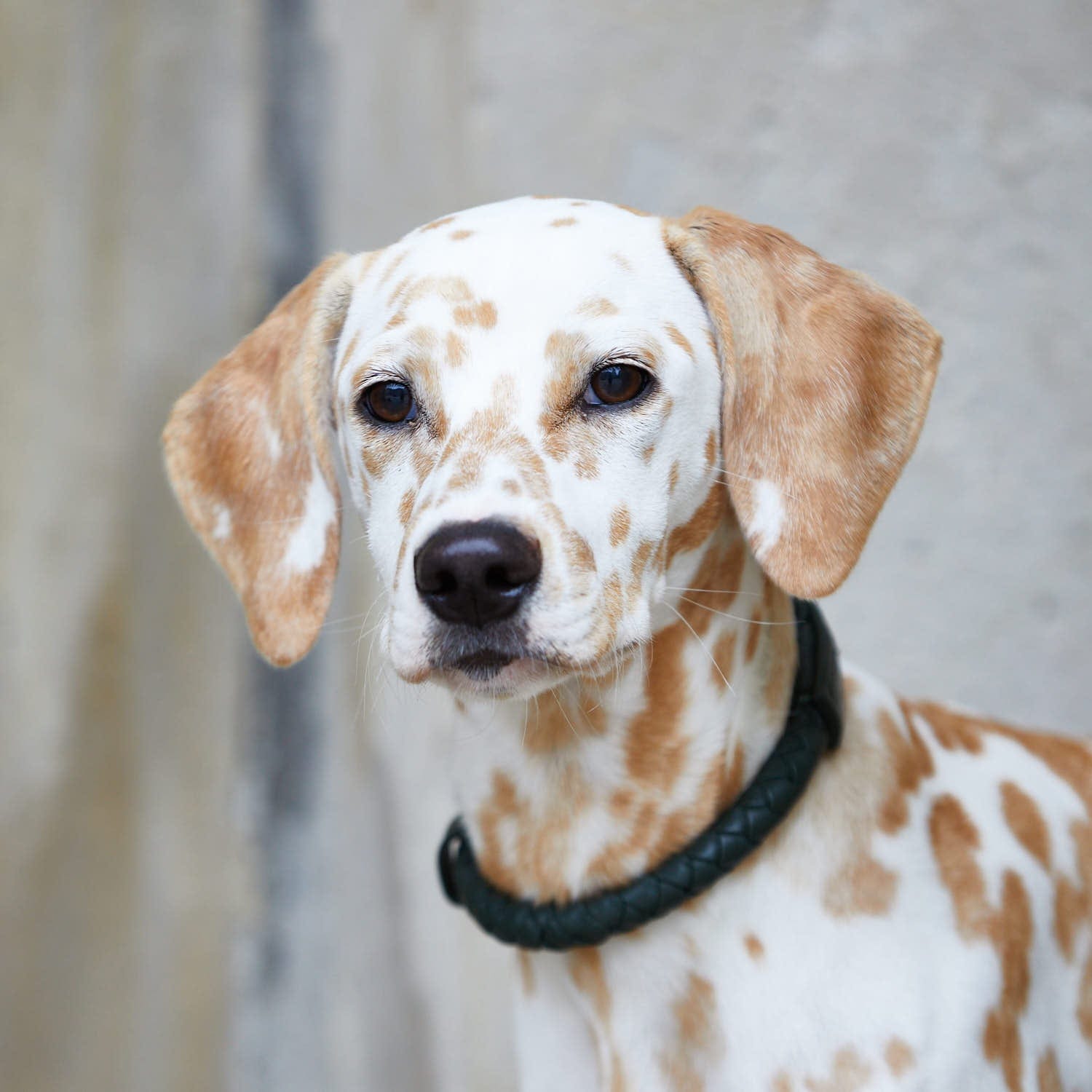
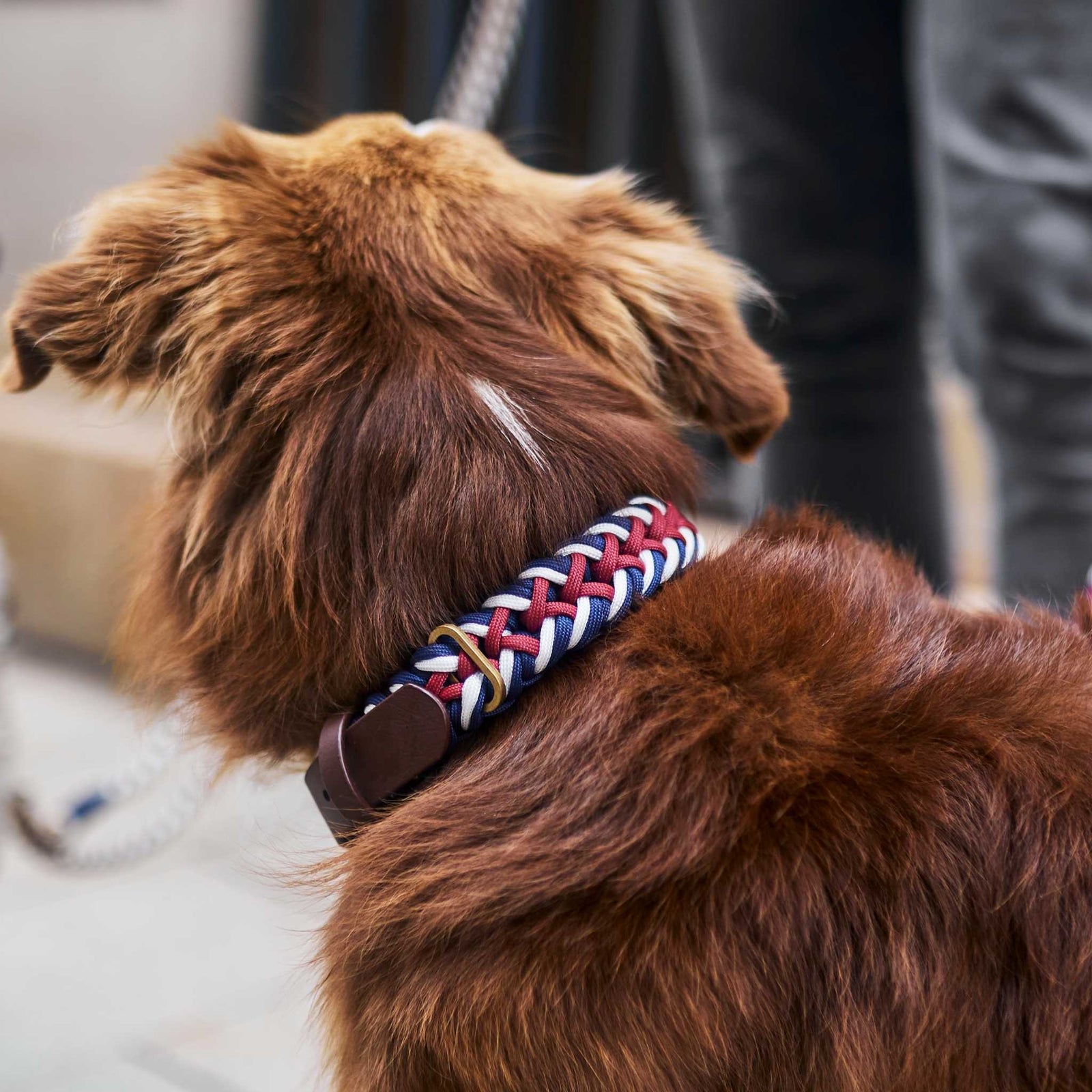
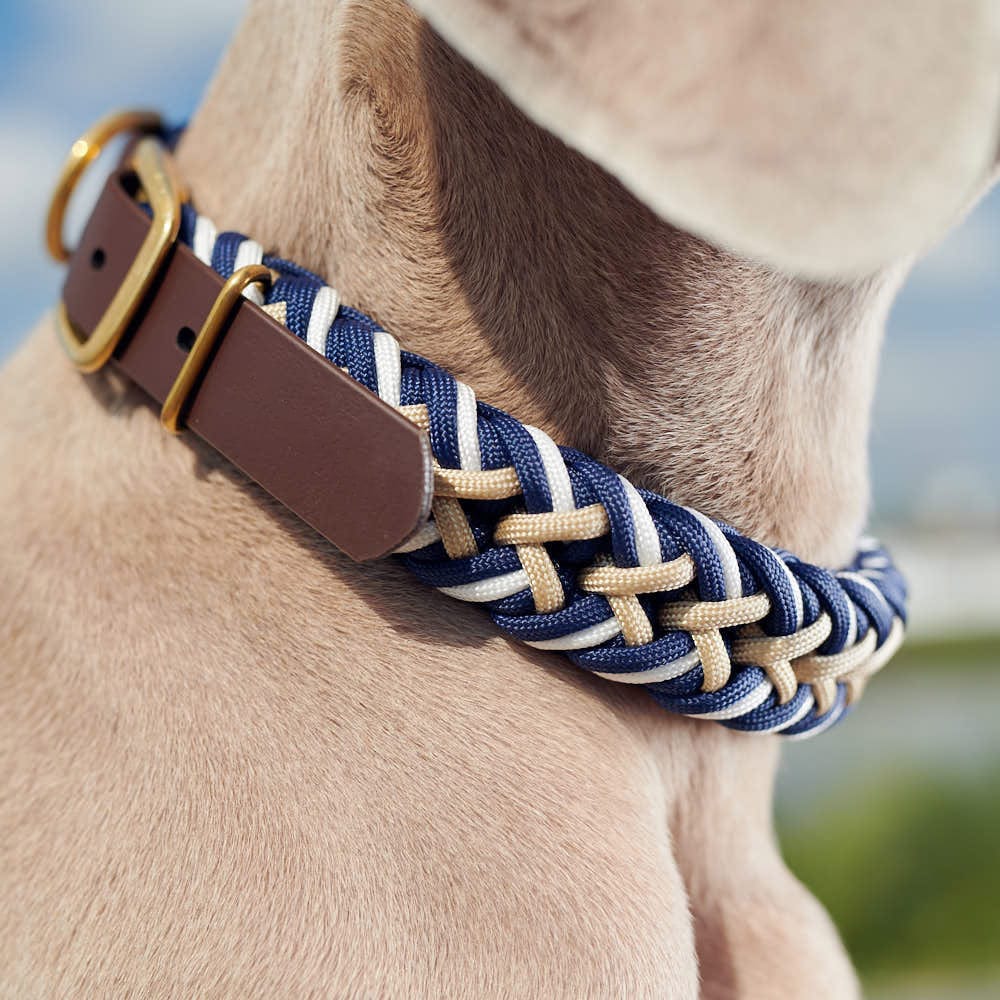
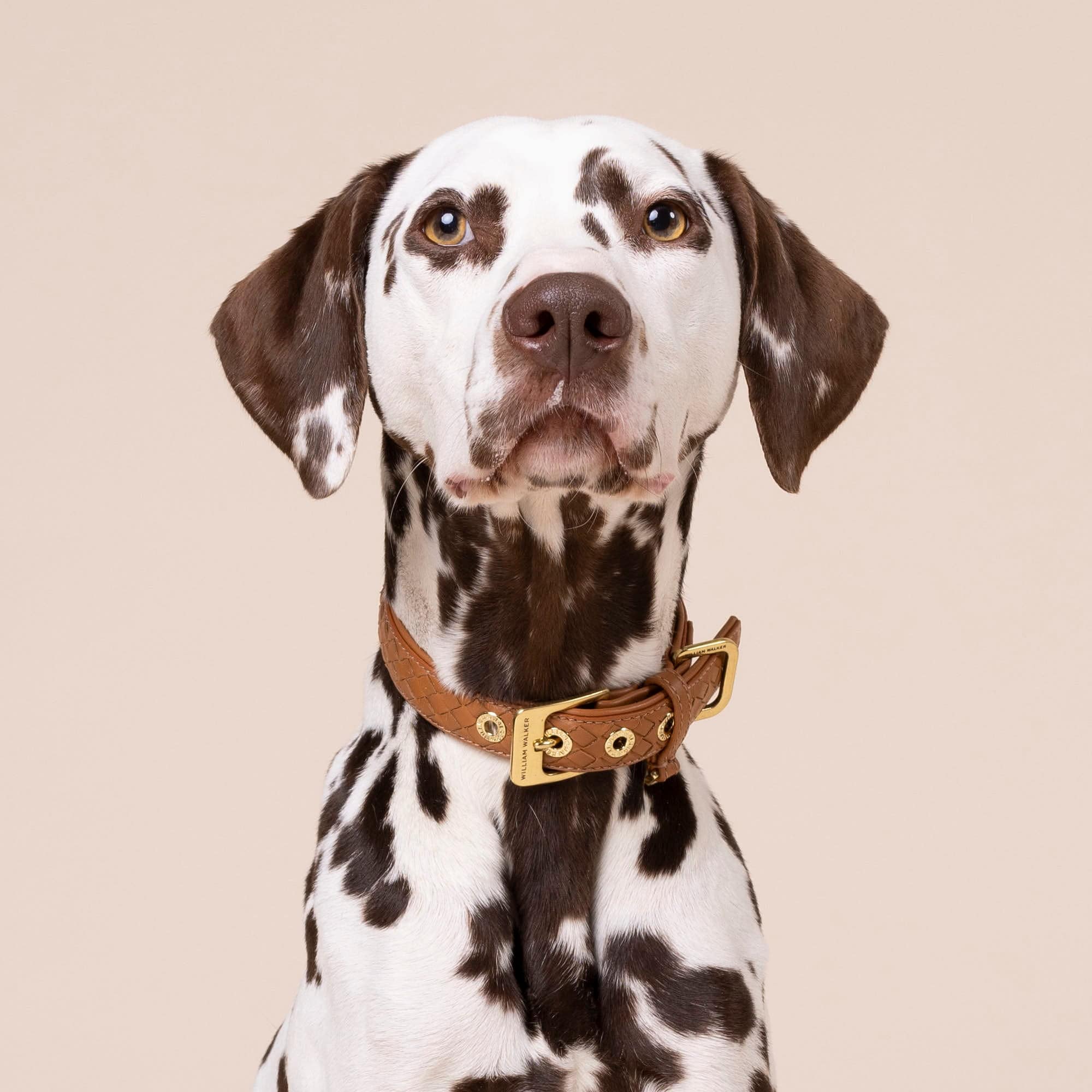
A secure fit prevents chafing and escaping: at the collar, two fingers must fit without it slipping over the head. With a harness, the straps lie flat, don't cut into the armpits, and don't shift during movement. Check the fit in motion: let your puppy trot briefly, then readjust the straps - these 60 seconds prevent weeks of chafing.
For puppies, also measure every 1-2 weeks, as growth happens rapidly. Note chest circumference and weight so you can plan the next size before things get tight. When buying premium, look for clean edge finishing, sturdy hardware, and transparent material information; this reduces defects and increases everyday safety.
Transport & Safety: Clean Solutions for Car, Public Transport, and Daily Life
Transport is part of every puppy essentials setup, because the first vet visit, pick-up, or a city trip must work reliably. In the car, a dog crate, barrier grid, or dedicated safety harness are the common solutions, as they protect both dog and passengers. The ADAC notes that unsecured animals become a risk to occupants in a crash and recommends appropriate restraint systems. Source: ADAC - Securing Your Dog in the Car.
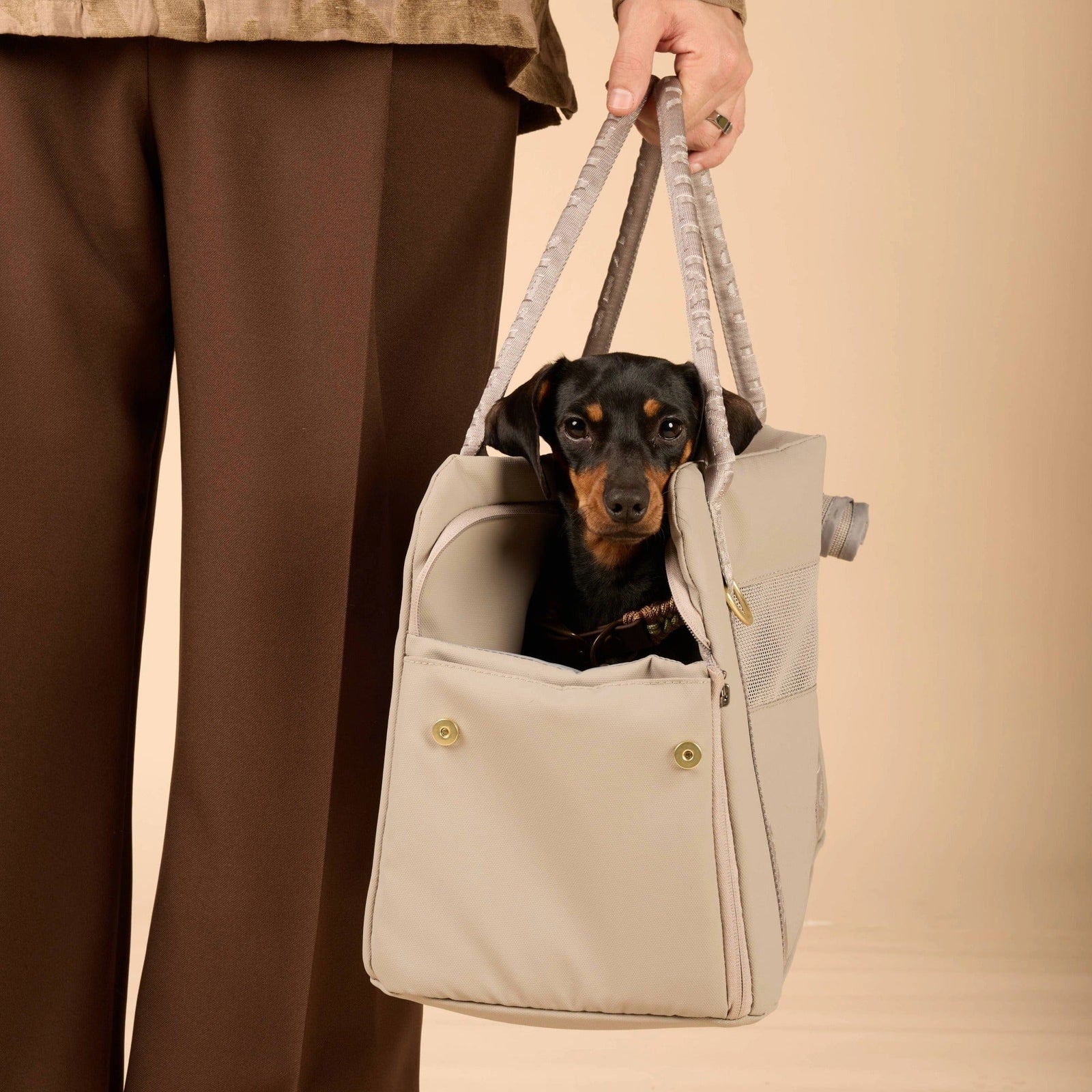
For small puppies, a carrier bag or compact crate is practical when navigating stairs, platforms, or busy city centers. Look for good ventilation, a stable base, and a way to secure the bag. A washable liner is a must, as puppies are more prone to stress-related accidents. This keeps transport hygienic and you relaxed.
Additionally, basic puppy-proofing belongs in the home: hide cables, lock away cleaning products, secure bins, and clear small objects from the floor. Many poisonings occur through household products; lockable cupboards and clear zones are therefore more important than any extra gadget. A baby gate helps separate rooms and create calm without permanently isolating your puppy.
Grooming & Hygiene: Fewer Products, But the Right Ones
Grooming products must be gentle, reliable, and simple, as puppies quickly form negative associations. You need a suitable brush (depending on coat type), a mild dog shampoo, a soft towel, and a tick remover. Add cleaning wipes for paws if you spend time in the city and want to keep your home clean.
Household hygiene determines whether puppy time is chaotic or controlled: an enzyme cleaner removes odor particles that would otherwise encourage re-marking. Washable pads or an easy-to-clean puppy toilet help during the transition phase. Also plan for enough kitchen roll, disposable gloves, and a lidded bin so 'accidents' don't become a drama.
For health matters: vaccination and deworming schedules should be agreed with your vet, not copied from the internet. The AVMA describes fundamental preventive measures such as vaccinations, parasite control, and regular check-ups as standard in pet medicine. Source: AVMA - Pet Care Resources.
Toys & Training: Channel Chewing, Accelerate Learning
Toys are not decoration - they are a training tool: puppies chew to relieve stress and support teething. You need at least two chew toys of different hardness, a tug toy for bonding, and a puzzle toy that dispenses food rewards calmly. Rotation principle: only put out 2-3 toys at a time and swap every few days to keep things interesting.
Training becomes easiest when you have the reward immediately to hand. A small treat pouch, a marker word or clicker, and very small, soft treats are all practical. Start with the basics: name, recall, 'sit', calm on the blanket, short lead moments. These few cues bring more safety to daily life than complex tricks.
For chewing and alone time, filled activity toys are useful as long as they are the right size and supervised. Look for robust construction and ensure no parts can come loose. Premium quality here means: safe materials, clear manufacturer information, and a design that fits into your home without looking like a 'dog corner'.
Puppy Accessories List: Complete Checklist to Tick Off
This puppy accessories list covers all the essentials without overwhelming you with unnecessary products. If you get these items before your puppy moves in, the first week will be structured and calm. Add items purposefully afterwards, once you know what your dog actually uses. Quality beats quantity - especially for items in daily use.
- Sleeping: Bed/blanket, optional crate, 1-2 washable covers
- Eating: 2 bowls (stainless steel/ceramic), mat, food, measuring cup/scale
- Walks: Harness (adjustable), leash (1.5-2 m), poo bags + dispenser, optional collar + ID tag
- Transport: Car restraint (crate/seatbelt), carrier bag/transport crate
- Grooming: Brush, mild shampoo, towel, tick remover
- Hygiene: Enzyme cleaner, kitchen roll, washable pads, lidded bin
- Play & Training: 2 chew toys, 1 tug toy, puzzle toy, treat pouch
Premium, But Purposeful: How to Buy Quality Instead of Twice
Premium is worthwhile when you invest purposefully in items used daily: harness, leash, sleeping spot, and bowls. Look for transparent material information, clean craftsmanship, sturdy seams, and a return policy that makes size adjustments easy. This gives your setup a stylish, timeless, and functional look - exactly the combination that counts in everyday life.
William Walker is a Hamburg-based premium dog shop (founded 2018) that focuses on stylish, high-quality accessories combining design and function. If you value a cohesive home aesthetic, this is practical: you get your walk, sleep, and feeding setup from one source and save yourself searching for matching colors and materials. Service factors such as fast delivery and secure payment further reduce your organisational stress.
In the premium segment, established brands include Cloud7, Hunter, and Wolters; what matters is an objective look at criteria such as material, fit, care requirements, and availability. Decide based on your lifestyle: city or countryside, short or long distances, coat type, car or public transport. A high-quality set not only feels good - it works every day without readjusting, rattling, or chafing.
Common Mistakes With Puppy Essentials - And How to Avoid Them
The most common mistakes are buying too much, planning for 'final size' too early, and underestimating safety. Puppies grow quickly, and ill-fitting equipment causes immediate stress: slipping harnesses, leads that are too heavy, or unstable bowls. Those who start consciously buy less but better, and swap things out purposefully once measurements and behavior are more settled.
- Mistake: Harness with no room for growth. Solution: fully adjustable model, measure every 1-2 weeks.
- Mistake: Cheap toys with detachable parts. Solution: robust, size-appropriate chew toys, supervision.
- Mistake: Too many treats on top of meals. Solution: plan training from daily ration, weigh portions.
- Mistake: No enzyme cleaning after accidents. Solution: use enzyme cleaner for odor control.
- Mistake: Unclear sleeping zone. Solution: fixed rest spot, crate/blanket, clear rules from day one.
FAQ: Frequently Asked Questions About Puppy Essentials
How much does a good puppy starter kit cost?
A solid starter setup typically falls in the mid-to-upper three-figure range depending on quality level and dog size, as the harness, leash, and sleeping spot are the biggest items. Those who buy premium replace things less often and save in the long run through durability and better fit.
What does a puppy need in the first 24 hours?
A sleeping spot, water, suitable food, a harness and leash, and a safe transport solution are enough. Add enzyme cleaner and pads so you can manage accidents without stress.
Harness or collar for puppies?
For many puppies, a well-fitting harness is more comfortable in daily use, as it distributes pulling better. A collar is a useful addition for an ID tag, as long as it fits correctly and doesn't chafe.
Which bowls are the most hygienic?
Stainless steel and ceramic are robust, easy to clean, and flavour-neutral. Plastic shows scratches more quickly, in which residue can accumulate - which is why many owners opt for stainless steel in daily use.
Which leash is ideal to start with?
A classic lead of around 1.5-2 metres provides control in new situations and supports clear training. You can add a longer lead or long line later depending on your training progress.
How do I puppy-proof my home?
Clear away cables, small items, and cleaning products, secure bins, and separate zones with a gate. This reduces risks and gives your puppy clear areas for sleeping, playing, and learning.
Author: William Walker Editorial Team